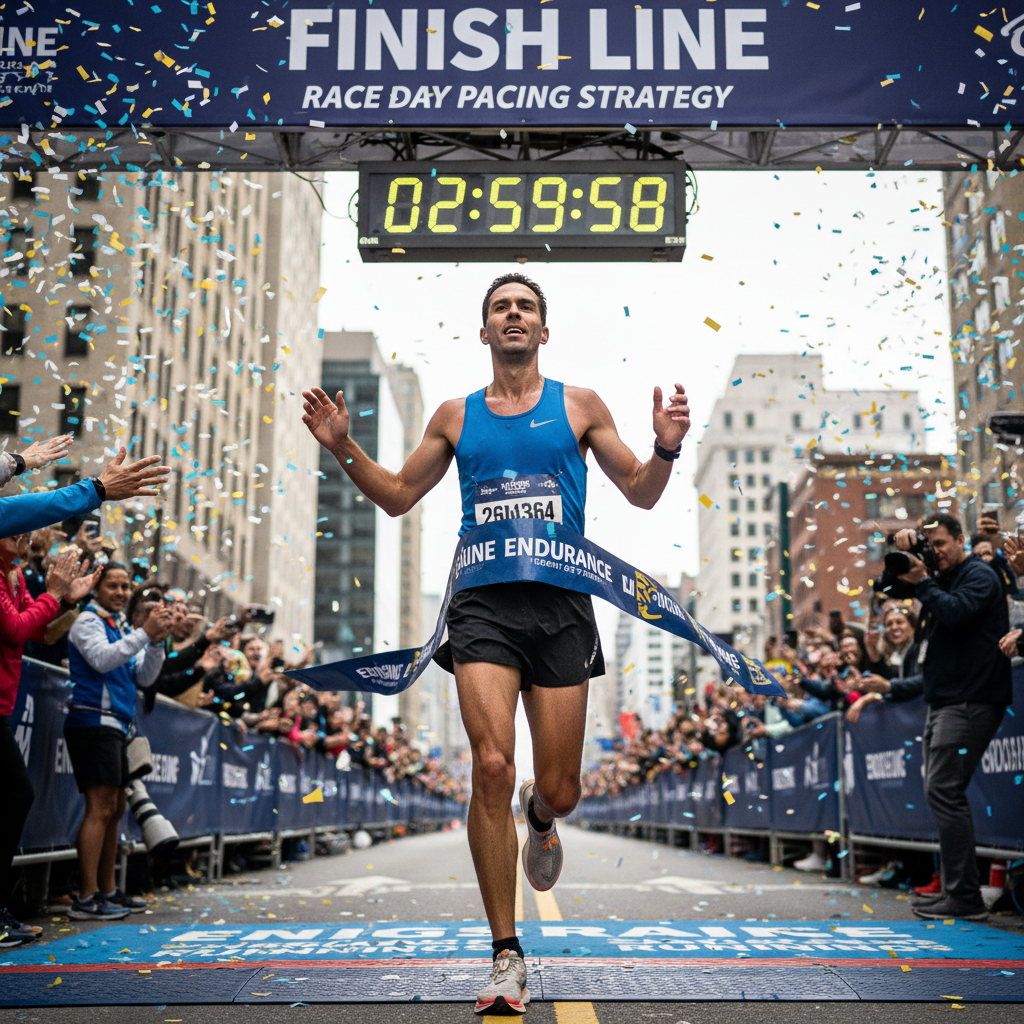






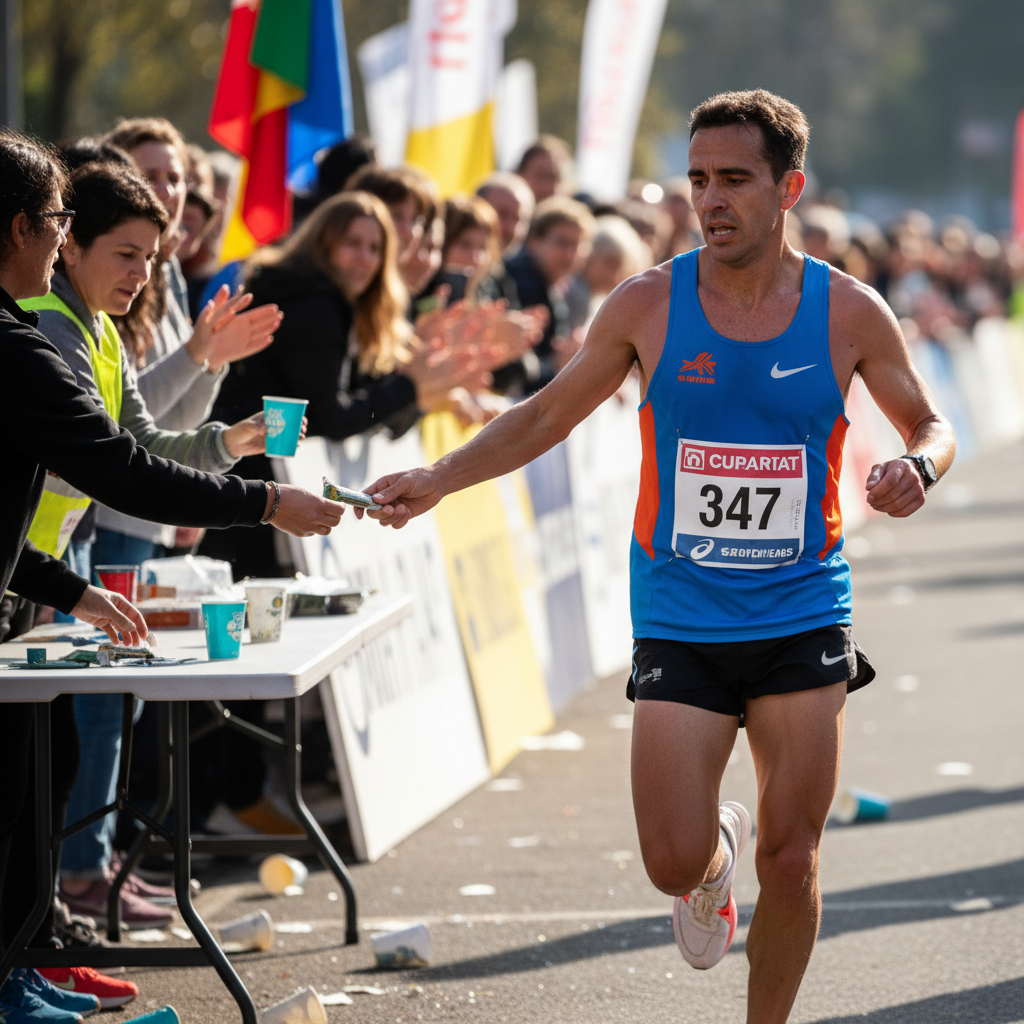






Most endurance athletes do not plateau because they lack motivation. They plateau because their effort is scattered. One hard session rolls into another, easy days become moderate, and race prep turns into guesswork. That is where the benefits of coached training become clear. Good coaching does not just add sessions to your week. It gives your training direction, purpose and a standard.
For runners, cyclists, triathletes and multisport athletes, the difference is rarely about working harder. It is about applying the right work at the right time, then backing it up consistently. A coached approach strips out wasted effort and replaces it with progression you can measure.
Why the benefits of coached training go beyond a program
A training plan on its own can be useful. It can create routine, provide some structure and help you prepare for a goal event. But a fixed plan cannot respond to your fatigue, your work schedule, your recovery, or the way your body is actually adapting.
That is the first major distinction in coached training. You are not simply following a template. You are working within a system built around your current capacity, your event demands and your long-term development. That matters in endurance sport, where gains are often small, cumulative and easy to lose through poor timing.
Coaching also provides context. A session is not just hard because it looks impressive on paper. It has a role within a wider block. It might be building aerobic durability, sharpening threshold control or preparing you to handle race intensity under fatigue. When athletes understand that context, they train with more confidence and far less second-guessing.
You get structure that matches your actual life
Many athletes fail not because they are lazy, but because their training does not fit the reality of their week. Work pressure rises, family commitments shift, sleep drops off, and the ideal plan starts to unravel. A coached model accounts for that early rather than pretending life will stay perfectly stable.
This is one of the most practical benefits of coached training. It allows for structure without rigidity. Strong endurance coaching should be disciplined, but it should also be realistic. The athlete who nails the key sessions across months will almost always outperform the athlete who chases the perfect week and repeatedly burns out.
That balance is particularly important for age-group athletes. Most are not managing recovery like full-time professionals. They are fitting serious training around careers, travel and family responsibilities. A coach can help decide what matters most in a given week, which sessions need to stay, and where to reduce load without losing momentum.
You train at the right intensity more often
One of the biggest mistakes in self-directed endurance training is getting stuck in the middle. Easy sessions are too hard to support recovery. Hard sessions are not controlled enough to hit the right physiological target. Over time, the athlete feels busy but does not improve at the rate they should.
Coaching helps sharpen intensity distribution. That means easy days are genuinely easy, quality work is purposeful, and race-specific sessions are placed where they can actually produce adaptation. This is not glamorous, but it is where performance is built.
For endurance athletes, restraint is a skill. Many can force their way through another tough session. Fewer can hold back when the plan calls for patience. A coach protects the athlete from that drift. They keep the program honest, especially when motivation starts to override judgement.
Accountability changes consistency
Most athletes know what they should be doing. The challenge is doing it well, week after week, when enthusiasm dips or life gets messy. Accountability is often misunderstood as external pressure. In a strong coaching relationship, it is better understood as alignment between intent and action.
When someone is reviewing your training, adjusting your load and monitoring your progress, consistency tends to improve. Athletes stop making emotional decisions based on one bad session or one good weekend. They stay with the process for longer, which is critical because endurance performance rewards continuity more than short bursts of motivation.
This is one reason serious athletes often improve quickly after moving to a coached environment. The physical work matters, of course, but so does the discipline that comes from reporting, reflecting and staying on task. Gene Convery Endurance Academy is built around that principle. Progress is not accidental. It is coached, reviewed and repeated.
Feedback reduces wasted effort
Training without feedback can be frustrating because you are often making decisions with incomplete information. You might feel flat and assume fitness is dropping when the issue is simply accumulated fatigue. You might think you need more intensity when what you actually need is a stronger aerobic foundation.
A coach provides a more objective lens. They can identify whether your current response to training is normal, whether your pacing is off, whether your recovery habits are undermining the work, or whether your race goals need adjusting. That saves time, but it also saves energy that would otherwise be spent chasing the wrong solution.
This matters even more as athletes become more experienced. Early gains can come from almost any consistent training. Later gains are harder won. At that stage, poor session selection, poor sequencing and poor recovery management can all stall progress. Feedback helps tighten those margins.
Better race preparation, not just better fitness
General fitness is useful, but endurance sport is specific. A strong 10 km runner will not automatically race a half marathon well. A fit cyclist will not necessarily pace a triathlon leg correctly. A big training block only matters if it transfers to event demands.
One of the clearest benefits of coached training is better race preparation. That includes more than volume and intensity. It includes pacing strategy, fuelling practice, event simulation, taper timing and understanding how to execute under pressure.
This is where many self-coached athletes come unstuck. They train hard enough to build fitness, but they do not prepare precisely enough to convert it on race day. They go out too hard, miss nutrition, mistime their taper, or misread what the event will actually require. Coaching helps bridge that gap between training performance and competitive performance.
Injury risk is managed, not ignored
No coaching model can eliminate injury risk. Endurance sport carries load, repetition and fatigue by nature. But coached training can reduce the chances of avoidable setbacks by controlling progression more carefully.
That means watching how quickly volume rises, identifying patterns of excessive fatigue, and recognising when the athlete is forcing adaptation that has not yet been earned. It also means understanding that more is not always better. Sometimes the smartest performance decision is to absorb training rather than add more of it.
There is a trade-off here. Athletes who want rapid gains can become impatient with controlled progression. Yet the athlete who misses six weeks through overload usually loses far more than the athlete who built more steadily. Coaching helps keep ambition tied to durability.
Confidence improves when preparation is clear
Confidence in endurance sport should not come from hype. It should come from evidence. When you know why you are doing each session, when you can see how your training has progressed, and when your race build has been handled properly, confidence becomes more stable.
That does not mean you will feel brilliant every week. Every serious training cycle includes fatigue, uncertainty and sessions that do not go to plan. The difference is that coached athletes are less likely to interpret every bad day as a sign that something is failing. They can place individual sessions in context and keep moving.
That steadiness matters. The athlete who trusts the process usually races with better control than the athlete who has been constantly rewriting the plan. Confidence, in this sense, is not emotion. It is preparation backed by clarity.
Coached training is not only for elites
Some athletes still assume coaching is only worthwhile once they reach a certain level. In practice, it depends less on speed and more on intent. If you care about improving, want to train with purpose and are tired of guessing, coaching can be valuable whether you are chasing a first marathon, a faster Olympic-distance triathlon or an age-group podium.
There are, of course, situations where a generic plan may be enough. If your goal is broad participation, your schedule is simple and you are comfortable with trial and error, a standard program can do the job. But if you want sharper progression, clearer decision-making and stronger race execution, coached training has a different ceiling.
The real advantage is not that a coach makes training easier. Often, they make it more demanding because the work is more precise and the standards are higher. What changes is that the demand is directed. You stop spending months proving that you can train hard and start building proof that you are training well.
For endurance athletes who want better results, that is the shift that matters most. Not more effort for its own sake, but better judgement applied consistently over time. That is how performance is built, and how it lasts.