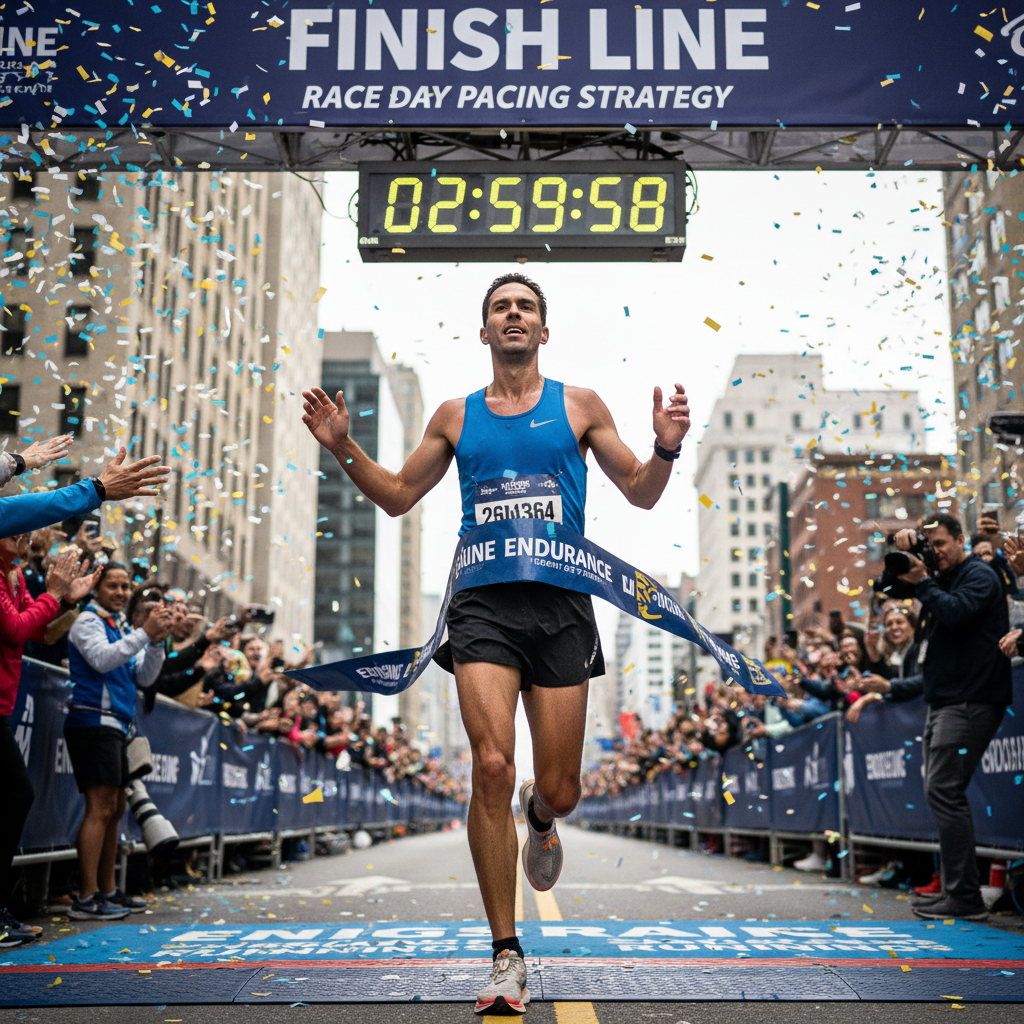





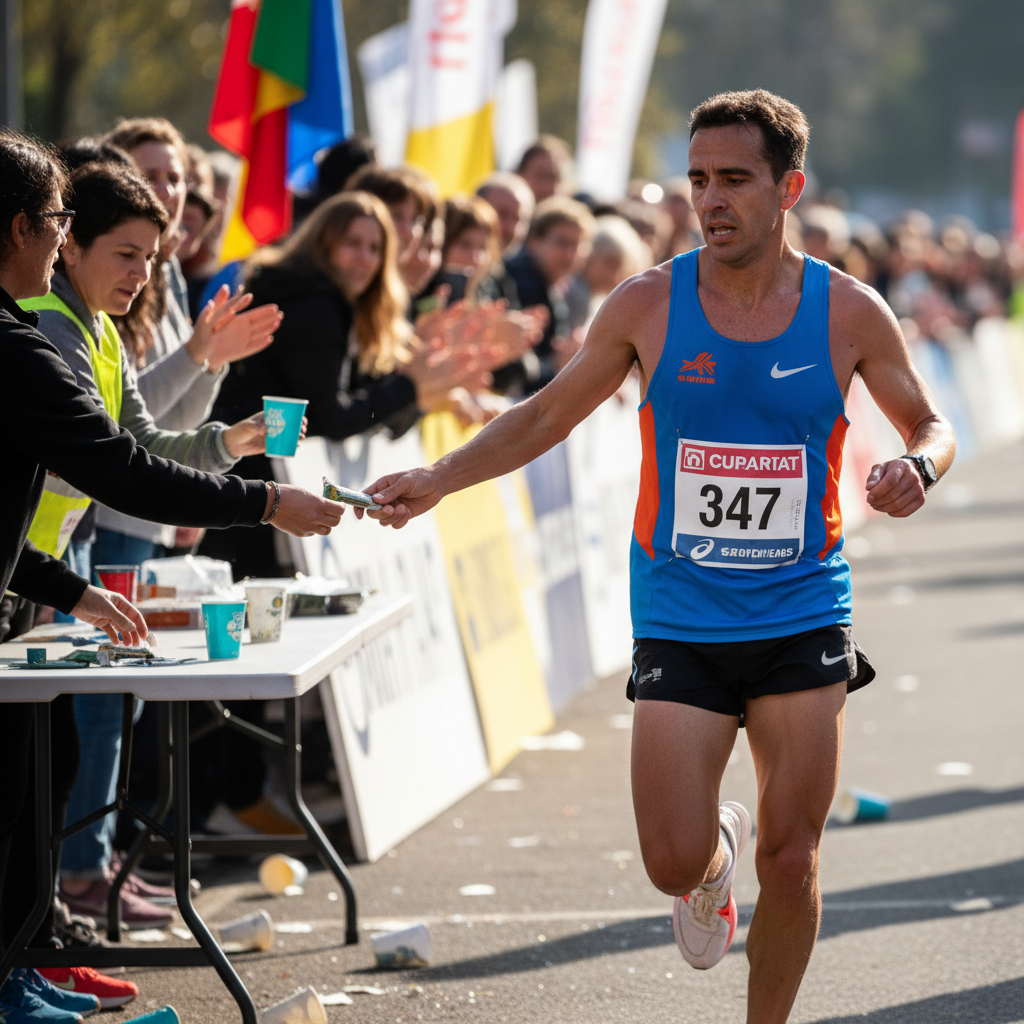







A runner can complete every prescribed kilometre yet still give away speed through inefficient mechanics. Collapsing through the hips late in a threshold session, overstriding on a descent, or losing rhythm when fatigue rises are not usually solved by simply trying harder. The best running form drills give athletes a short, repeatable way to rehearse the positions and timing that support economical running.
They are not magic exercises, and they are not a substitute for aerobic development, strength, or sensible load management. Used well, however, drills improve an athlete’s awareness of posture, foot placement and cadence before the main work begins. That makes them particularly useful for runners and triathletes who want their fitness to translate into race pace.
What running drills should improve
Good running mechanics are not one rigid shape. A tall 10 km runner, an ultra runner managing technical trail, and a triathlete running off the bike will all make slightly different choices. The shared objective is to apply force effectively while limiting unnecessary braking and muscular tension.
Drills should reinforce three things. First, posture: a stable trunk, tall hips and a subtle forward lean originating from the ankles rather than a bend at the waist. Second, rhythm: feet cycling beneath the body with a quick, relaxed contact. Third, coordination: arms, pelvis and lower legs working together rather than fighting each other.
The right feeling is usually light and controlled, not aggressive. If a drill leaves you breathless, tight through the shoulders, or slapping loudly at the ground, reduce the pace and simplify it. Technical work performed poorly just rehearses poor movement.
The best running form drills for endurance athletes
A-march
The A-march is the starting point for almost every athlete because it exposes weaknesses without demanding much speed. March forward with an upright torso, lifting one knee to roughly hip height while the opposite arm drives naturally. Keep the standing leg tall, the ankle firm and the lifted foot relaxed beneath the knee.
The purpose is not to force an exaggerated knee lift. It is to feel the pelvis remain stable while each foot returns underneath you. Athletes who sit through the hips or reach forward with the lower leg often benefit from slowing this drill down further before progressing.
Complete two 15 to 20-metre repetitions, walking back between efforts. It belongs early in a warm-up, especially before intervals, hills or faster strides.
A-skip
A-skips add elastic rhythm to the marching pattern. Drive one knee up, then allow the foot to return to the ground beneath the hips as you skip forward. Use compact arm action and aim for a soft, springy contact rather than height.
This is valuable for runners who need to improve cadence and lower-leg stiffness at faster paces. The common error is turning it into a high, frantic skip with the feet kicking behind the body. Keep the amplitude modest. The drill should look composed enough that you could repeat it late in a session without losing position.
Two to three repetitions of 20 metres is sufficient. If you cannot maintain rhythm, return to the A-march and build from there.
Ankling and low dribbles
Ankling is deliberately small. Move forward with quick alternating contacts, using a mostly straight leg and a gentle roll through the ankle. Low dribbles are similar, but introduce a compact cycling action so the foot rises only a short distance from the ground before returning beneath the body.
These drills teach the foot to recover quickly and discourage the long reaching stride that creates braking forces. They also provide a useful bridge between slower drills and actual running. The cue is to make contacts quiet and quick, with the hips travelling forward over the feet.
Use two 20-metre repetitions of ankling, followed by two 20-metre repetitions of low dribbles. For masters athletes or anyone managing calf and Achilles sensitivity, start conservatively. Fast, repetitive contacts can expose tissue that is not yet ready for the workload.
Straight-leg bounds
Straight-leg bounds develop the sensation of running tall and moving from the hips. Travel forward with relatively straight legs, flicking the foot up from the ground and allowing it to land close to the body. The movement is a bound, but it should remain low and elastic rather than a dramatic leap.
For endurance runners, this drill can improve awareness of front-side mechanics and reduce excessive backside swing. It is also more demanding than it appears, particularly through the hamstrings and calves. Use it only after you are comfortable with the smaller drills and have completed a thorough jog and mobility routine.
One or two 20-metre repetitions are enough. Leave it out during a heavy race week if it causes soreness or disrupts your key sessions.
Wall switches
Wall switches are useful when an athlete struggles to understand posture or is unable to control the drill at speed. Stand facing a wall, arms extended with the body angled forward in a straight line from head to heel. Drive one knee up while maintaining pressure through the hands and a stable trunk, then switch legs sharply without allowing the hips to drop.
The wall provides feedback. If the body folds through the middle, the position is immediately obvious. It teaches a forward lean from the ankles and a compact leg recovery without the distraction of travelling forward.
Perform two sets of six to eight controlled switches per side. Think quality, not speed. This is a coordination drill, not a conditioning circuit.
Strides: where drills become running
Strides are not technically a drill, but they are the most important transfer exercise in the sequence. After drills, run 60 to 100 metres building smoothly to a fast but relaxed pace, then decelerate gradually. The goal is to carry the tall posture, quiet feet and rhythm from the drill into real running.
For most athletes, four to six strides with full walk-back recovery are enough. They should finish feeling sharper, not fatigued. If the session ahead is easy, strides can still be valuable once or twice a week to preserve speed and coordination without adding significant stress.
How to use running drills without wasting the warm-up
A practical drill routine should take five to eight minutes, not twenty. Start with 10 to 15 minutes of easy jogging, then include a small range of movement such as leg swings, calf raises and walking lunges if needed. Follow with two or three drills that suit the day’s session, then complete strides before faster work.
For example, before track intervals you may use A-marches, A-skips, low dribbles and four strides. Before a long run, one round of A-marches and two relaxed strides may be plenty. Before a trail race, wall switches and ankling can be useful, but the priority remains preparing the ankles and calves for uneven terrain.
Avoid treating drills as a fixed ritual that must be completed regardless of context. A runner returning from calf trouble may need marching and wall work but should postpone bounding. An experienced athlete with excellent coordination may gain more from a few purposeful strides than a long drill menu. The right prescription depends on training age, injury history, event demands and the quality of movement on that day.
Common errors that limit the benefit
The most frequent problem is chasing range and speed. Higher knees, bigger bounds and faster skips can look athletic, but they often create stiffness through the shoulders and a loss of pelvic control. Start small enough to execute each repetition precisely.
Another mistake is using drills to chase a cosmetic version of form. There is no single ideal arm swing or foot strike for every runner. A heel contact is not automatically a fault, just as forefoot running is not automatically efficient. Focus on whether the foot lands close to the body, the trunk remains stable and the athlete can sustain the pattern at the required pace.
Finally, drills cannot compensate for inadequate strength or excessive fatigue. If your mechanics collapse in the final stages of racing, review the full program: long-run durability, strength work, threshold development, fuelling and pacing all matter. Technique is one performance lever, not the entire system.
At Gene Convery Endurance Academy, form work is best treated as part of a disciplined preparation process. Select a few drills, perform them with intent, and let the resulting movement quality carry into the running that determines race day.