
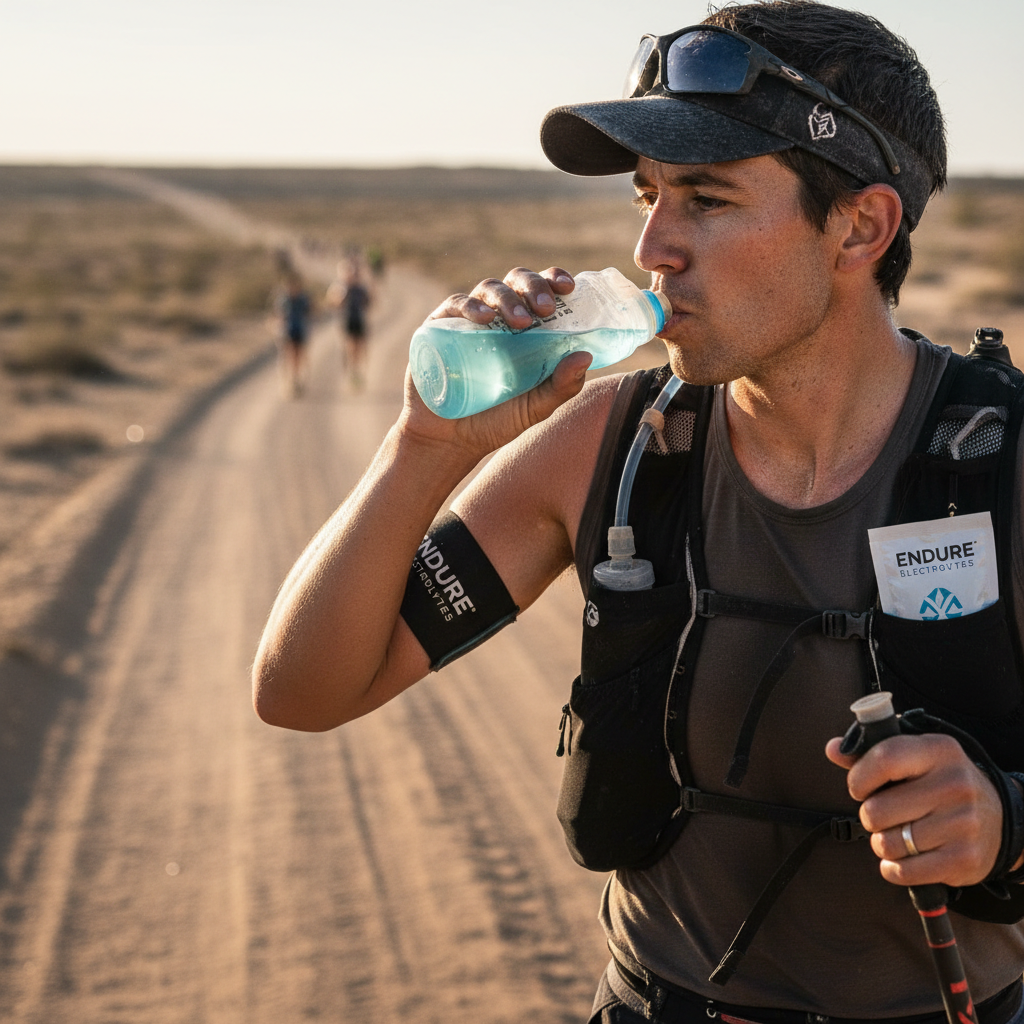




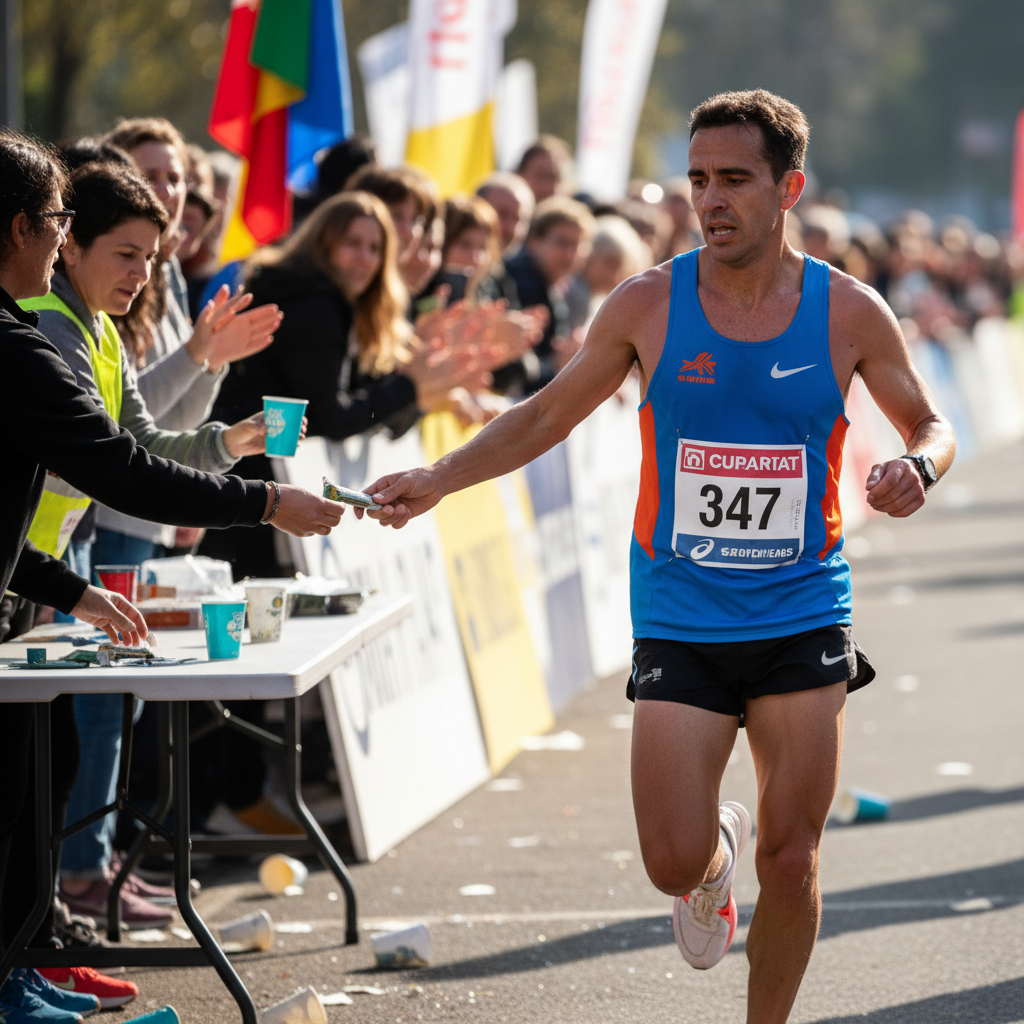







A climb exposes the gaps that flat terrain can hide. Cadence drops, posture changes, force production rises and small pacing errors become expensive. The best workouts for hill strength do more than make you tolerate gradients. They develop the specific strength, aerobic capacity and movement control required to climb efficiently, then recover well enough to keep racing.
For runners, cyclists and triathletes, hill strength is not built by attacking every rise in training. It comes from placing the right stimulus in the right phase of a structured programme. The goal is to arrive at race day able to apply force without losing form, rhythm or judgement.
What hill strength actually demands
A strong climber can produce meaningful force through each stride or pedal stroke while staying aerobically controlled. That involves local muscular endurance in the glutes, calves, quads and hamstrings, but it also relies on trunk stability, hip control and a well-developed aerobic engine.
Running uphill increases ground contact demands and asks the athlete to maintain a stable pelvis while driving forward. Cycling uphill often means sustained torque at lower cadence, particularly on steep grades or into a headwind. In triathlon, the equation is harder again: bike climbing strength has to be managed so there is still a capable run after the dismount.
This is why a gym-only plan falls short, and why repeated hill sessions without strength work can eventually stall. General strength raises the ceiling. Sport-specific hill work teaches the athlete how to use it under fatigue.
Best workouts for hill strength: build the foundation first
The most productive athletes usually begin with two strength sessions each week during a base or general preparation phase. These sessions do not need to leave you sore for days. They should be deliberate, progressively loaded and compatible with your endurance training.
Prioritise compound lower-body movements such as squats, deadlifts, split squats and step-ups. Split squats and step-ups are particularly useful because climbing is largely a single-leg task. They expose side-to-side differences and challenge the hip and trunk to stay organised while one leg produces force.
Use a controlled lowering phase, then drive up with intent. For example, three to four sets of five to eight repetitions on a split squat develops useful strength without turning the session into a high-repetition conditioning circuit. Choose loads that demand concentration while allowing clean positions. If the knee caves in, the back rounds or balance disappears, the load is too heavy or fatigue has gone too far.
Calf strength deserves direct attention. Hill running places considerable demand on the soleus and calf complex, while cycling benefits from ankle stability and efficient force transfer. Include both straight-knee and bent-knee calf raises two or three times per week. Progress from bodyweight to loaded work, using a full range and a brief pause at the top.
Finish with trunk work that resists movement rather than simply creating it. Loaded carries, side planks and dead bugs help athletes keep their ribcage, pelvis and hips connected when a climb gets steep. This is not cosmetic training. A stable trunk makes force from the legs more useful.
Uphill running intervals for race-specific strength
Once a general strength base is established, uphill intervals are one of the most effective ways for runners to convert it into climbing ability. The hill should be long enough to establish rhythm, with a gradient that encourages good mechanics rather than desperate scrambling. For most athletes, a moderate incline of around 4 to 8 per cent works well.
A reliable starting session is six to eight repeats of 60 to 90 seconds uphill at around 5 km to 10 km race effort. Jog back down easily and begin the next repeat only when breathing is under control. The purpose is sustained, powerful running with posture intact, not a sprint to the top.
Keep the stride short and quick, lean subtly from the ankles and drive the arms in a compact action. Avoid bending at the waist or reaching too far in front with the foot. If form falls apart after the fourth repetition, reduce the pace, shorten the reps or stop the set. Quality mechanics are the point.
For longer events, progress towards uphill threshold sessions. A session of three by eight minutes on a steady climb, with three minutes easy between efforts, builds the capacity to hold controlled pressure over extended ascents. This is especially relevant for trail runners, hilly half marathons and athletes preparing for undulating triathlon runs.
Short hill sprints have a place too, but they are not a substitute for intervals. After an easy run, six to 10 efforts of eight to 12 seconds on a steep hill can improve neuromuscular recruitment and running economy. Take a full walk-back recovery. Because they are high intensity, introduce them carefully and avoid adding them beside a demanding track or long-run session.
Cycling sessions that build climbing torque
Cyclists need both the ability to turn a bigger gear and the capacity to sustain race-relevant power. Low-cadence intervals are useful when they are controlled rather than forced. On a moderate climb or indoor trainer, ride three to five efforts of five to eight minutes at a firm sub-threshold effort, using a cadence around 55 to 70 rpm. Recover for three to five minutes between efforts.
Stay seated for most of the work. Keep the upper body quiet, maintain pressure through the full pedal stroke and avoid grinding a gear that overloads the knees. The target is muscular tension under an aerobic load, not a maximal strength test.
A separate climbing session can focus on threshold power. Try two by 12 to 20 minutes on a sustained climb at an effort you could hold for roughly an hour, with six to 10 minutes easy between blocks. This workout develops the ability to settle into a hard but sustainable rhythm, which is often the deciding skill on longer climbs.
Standing is a valuable tool, particularly on steep ramps or when changing pace, but it costs more energy. Practise brief standing efforts within a climb rather than remaining out of the saddle by default. A rider who can alternate positions smoothly usually preserves more power and control than one who treats every hill as an all-out attack.
How triathletes should balance the work
Triathletes should be selective. Heavy leg strength, hard bike torque intervals and hill running can create a large combined load on the calves, Achilles tendons and quads. Putting all three into the same few days is rarely a disciplined choice, even when motivation is high.
A practical approach is to place the key bike climbing workout early in the week, complete one focused strength session after an easier endurance day, and schedule hill running when the legs are fresh enough to maintain form. In a race-specific block, a controlled bike-to-run session can be valuable: ride sustained climbing efforts, then run 15 to 30 minutes over rolling terrain at an easy to steady effort. This teaches restraint as much as strength.
The trade-off is clear. An athlete targeting a mountainous event may need more climbing specificity, while someone racing a mostly flat course only needs enough hill work to maintain resilience and general power. Training should reflect the demands of the event, not the terrain that happens to be most available.
Progress the load without chasing fatigue
Hill strength responds to progression, but the progression does not always mean more repetitions or steeper gradients. You can add a repeat, extend an interval, increase load in the gym, reduce recovery slightly or improve execution at the same workload. Change one variable at a time.
Most athletes benefit from a three-week build followed by a lighter week, particularly when combining endurance volume with strength training. During a recovery week, reduce gym sets and hill-interval volume while keeping some light intensity. This protects the adaptation without allowing the movement pattern to disappear.
Watch for warning signs: lingering tendon soreness, a declining ability to hit normal easy-run pace, poor sleep, unusually heavy legs or a drop in enthusiasm for sessions. These are not badges of commitment. They are signals that the training load needs adjustment.
Make every climb purposeful
The strongest hill athletes are rarely the ones who train hardest on every ascent. They are the ones who know whether a climb is meant to develop force, threshold control, technique or recovery discipline. Build strength patiently, practise climbing at the demands your event requires and protect the quality of your key sessions. When the road tilts upward, that preparation gives you options rather than excuses.