






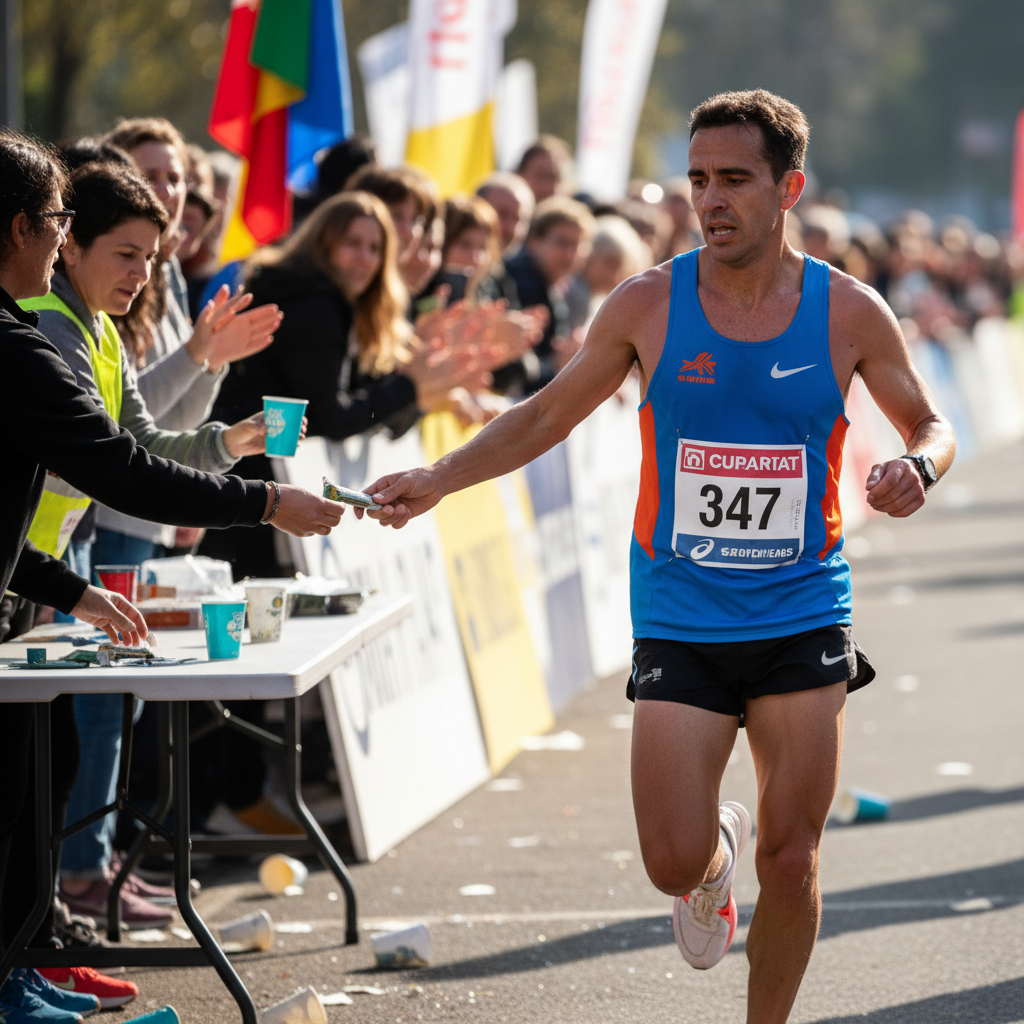






A sore Achilles after adding hills, a knee that flares after a long ride, or a calf strain halfway through a run block rarely comes down to one bad session. More often, it is the outcome of training load that exceeded what the body was ready to absorb. So, can endurance training prevent injury? When it is progressive, individualised and supported by adequate recovery, it can significantly reduce injury risk. It cannot make an athlete indestructible, but it can build the capacity to handle the demands of training and racing.
For runners, cyclists, triathletes and multisport athletes, injury prevention is not separate from performance training. It is a direct result of how intelligently you develop fitness over months and years.
Endurance training builds capacity, not immunity
Endurance sport is repetitive by nature. Every stride, pedal stroke and swim stroke places stress on tissue. That stress is not automatically harmful. In the right dose, it is the signal that drives adaptation: stronger muscles, more resilient tendons, improved bone health, better movement efficiency and greater cardiovascular capacity.
The problem arises when the rate of stress outpaces adaptation. Fitness can improve quickly, particularly when an athlete returns to training after a break. Tendons, bones and connective tissue generally adapt more slowly. An athlete may feel aerobically capable of running faster or farther before their lower legs, hips or feet are prepared for the impact.
That distinction matters. Feeling fit is not the same as being durable.
Well-structured endurance training gives the body time to adapt. It layers volume, intensity, terrain and race-specific work in a sequence that reflects the athlete's current capacity, history and event goals. This is why a training plan that works brilliantly for one athlete can create problems for another.
Why progressive load is the strongest protective tool
The most common training error is not a lack of toughness. It is doing too much, too soon, too often. A sudden jump in weekly running distance, a new block of high-intensity bike work, extra gym sessions or a holiday hiking trip can all create a load spike. The body does not distinguish neatly between planned training stress and everything else happening in life.
Progressive load means adding stress with purpose, then allowing enough time for adaptation. It also means recognising that progression is not always linear. Some weeks should consolidate fitness rather than chase another increase. A lighter week is not lost training. It is often the work that allows the previous block to take hold.
For a runner, progression might mean gradually extending the long run before introducing substantial race-pace work. For a cyclist, it may mean establishing consistent aerobic volume before stacking threshold sessions. For a triathlete, it means managing the combined cost of three disciplines, rather than treating each session as an isolated workload.
The right progression depends on more than a weekly total. It includes intensity distribution, elevation, surface, heat, strength work, travel, work pressure and sleep. A 70-kilometre running week on flat paths is not the same load as 70 kilometres with trail climbing, intervals and a hard long run.
Consistency beats occasional heroic weeks
A durable athlete is usually built through repeatable weeks, not occasional massive ones. The athlete who can train consistently for 40 weeks has a far stronger platform than the athlete who alternates between ambitious blocks and injury-enforced downtime.
This requires discipline. Some sessions should finish with the sense that you could have done more. That is not undertraining. It is often the judgement required to train again well tomorrow.
Intensity needs a clear job
Hard sessions are essential for performance, but they are expensive. They create more muscular damage, higher nervous system stress and, in running, greater impact forces. The goal is not to avoid intensity. It is to place it where it delivers an adaptation without compromising the sessions that follow.
Injury risk rises when every ride becomes a race, every run includes a fast finish, or an athlete adds intervals on top of an already demanding life schedule. Many endurance athletes do not need more hard work. They need clearer separation between genuinely easy training and genuinely purposeful quality work.
Easy aerobic sessions build volume tolerance while keeping the overall cost manageable. Quality sessions develop threshold, speed, climbing strength or race-specific ability. Both have a place. The mistake is allowing the middle ground to dominate: training too hard to recover properly, but not specifically enough to produce the intended performance gain.
Strength training supports the endurance engine
Endurance training itself builds useful strength, particularly in cycling and hill running, but it does not replace targeted resistance work for every athlete. Strength training can improve force production, movement control and the ability of muscles and tendons to tolerate repeated loading.
For runners, this commonly means developing calf capacity, single-leg control, hamstring strength and hip stability. Cyclists benefit from strong hips, trunk control and the ability to maintain position under fatigue. Triathletes need strength work that supports all three sports without creating soreness that disrupts key sessions.
The aim is not to turn an endurance athlete into a bodybuilder. It is to build enough strength to improve resilience and economy. Two well-managed sessions per week can be valuable, particularly during base training. Closer to a key race, the dose may reduce while the intent remains.
Technique also matters, but it should not be treated as a magic fix. A running gait, bike position or swim stroke can influence how load is distributed, especially when fatigue sets in. Changes should be specific and gradual. Major technique changes introduced during a heavy training block can create a new problem while trying to solve an old one.
Recovery is part of the programme
Training creates fatigue. Recovery is where adaptation happens. Athletes who view rest as optional often find that their body eventually makes the decision for them.
Sleep, fuelling and stress management are central to injury reduction. Poor sleep can affect coordination, recovery and decision-making. Under-fuelling leaves the body with less energy for tissue repair and can make routine sessions feel harder than they should. High work or family stress reduces an athlete's capacity to absorb training, even if their planned volume has not changed.
Australian summer adds another variable. Heat increases cardiovascular strain and fluid loss, turning an ordinary session into a more demanding one. Adjusting pace, power or duration in hot conditions is not a weakness. It is sound load management.
A practical approach is to monitor patterns rather than obsess over a single data point. If pace is falling at an easy effort, power feels unusually difficult, sleep is poor and a niggle is becoming more noticeable, the answer may be to reduce the load before the body forces a longer break.
When endurance training does not prevent injury
Even excellent preparation cannot remove all risk. Falls, collisions, uneven trails, equipment failures and unexpected illness are part of sport. Some injuries also have contributing factors outside training, including previous injury, biomechanics, bone health, medication, low energy availability or medical conditions.
Training can also become protective in one area while exposing a weakness in another. A cyclist who adds running for a triathlon may have exceptional aerobic fitness but limited impact tolerance. A runner preparing for an ultramarathon may cope well with distance on the road yet struggle when steep descents place unfamiliar demand on the quads and feet.
This is where individual context matters. The correct plan is not simply the plan with the lowest risk. It is the plan that develops race readiness while keeping risk acceptable for that athlete.
How to respond to a niggle before it becomes an injury
Pain is not always a stop signal, but it is information that deserves a measured response. Ignoring it because a race is approaching is rarely a high-performance decision. Equally, stopping all activity at the first hint of discomfort is not always necessary.
Consider whether the pain changes your movement, worsens as a session continues, persists after training, or is more severe the following morning. If the answer is yes, modify the session and assess the trend. Reducing running volume while maintaining aerobic fitness through cycling, swimming or deep-water running can preserve momentum when appropriate.
Seek assessment promptly for sharp pain, swelling, loss of function, pain at rest or night pain. Early action often creates more options than waiting until a small issue becomes a full training interruption.
Can endurance training prevent injury through coaching?
Coaching does not eliminate injury, but it helps remove avoidable mistakes. An experienced coach looks beyond the session on the page. They consider your training history, event demands, feedback, recovery markers and the reality of your week. That perspective is particularly valuable when motivation is high and judgement is most likely to be compromised.
At Gene Convery Endurance Academy, the objective is not simply to complete more training. It is to develop athletes who can train with purpose, recover with intent and arrive at the start line prepared for the work their event requires.
The best injury-prevention strategy is rarely dramatic. Build gradually. Keep easy days easy. Fuel the work. Develop strength. Respect early warning signs. Then give those habits enough time to turn fitness into durability.