











A prescribed 5:00/km pace can be the right aerobic effort on a cool, flat morning and completely wrong after a poor night’s sleep in a humid Australian summer. That is the central challenge of heart rate vs pace training: pace shows what you are doing, while heart rate helps reveal what that work is costing you.
For serious endurance athletes, the question is not whether one metric is superior in every session. It is which metric best protects the purpose of the session. Good training is not about collecting impressive data. It is about applying the right stress, recovering from it, and arriving at race day able to perform.
Heart rate vs pace training: what each metric measures
Pace is an external measure of performance. It tells a runner how quickly they are covering the ground. It is immediate, objective and highly relevant to racing, particularly when the course and conditions are similar to the event being prepared for.
Heart rate is an internal measure of response. It indicates how hard the cardiovascular system is working to support the effort. It is affected by pace, but also by heat, hydration, fatigue, terrain, altitude, caffeine, emotional stress and accumulated training load.
This distinction matters. A runner who forces their usual aerobic pace on a 30-degree day may turn an easy run into a moderate or hard session. The pace looks controlled, but the internal load is too high. Conversely, an athlete returning from a heavy training block may see an unusually elevated heart rate at an easy pace. That is useful information, not a cue to push harder.
Neither metric is perfect. Pace can ignore the body’s warning signs. Heart rate can lag behind rapid changes in effort and can be distorted by sensor error. The strongest athletes learn how to use both without becoming ruled by either.
When pace should lead the session
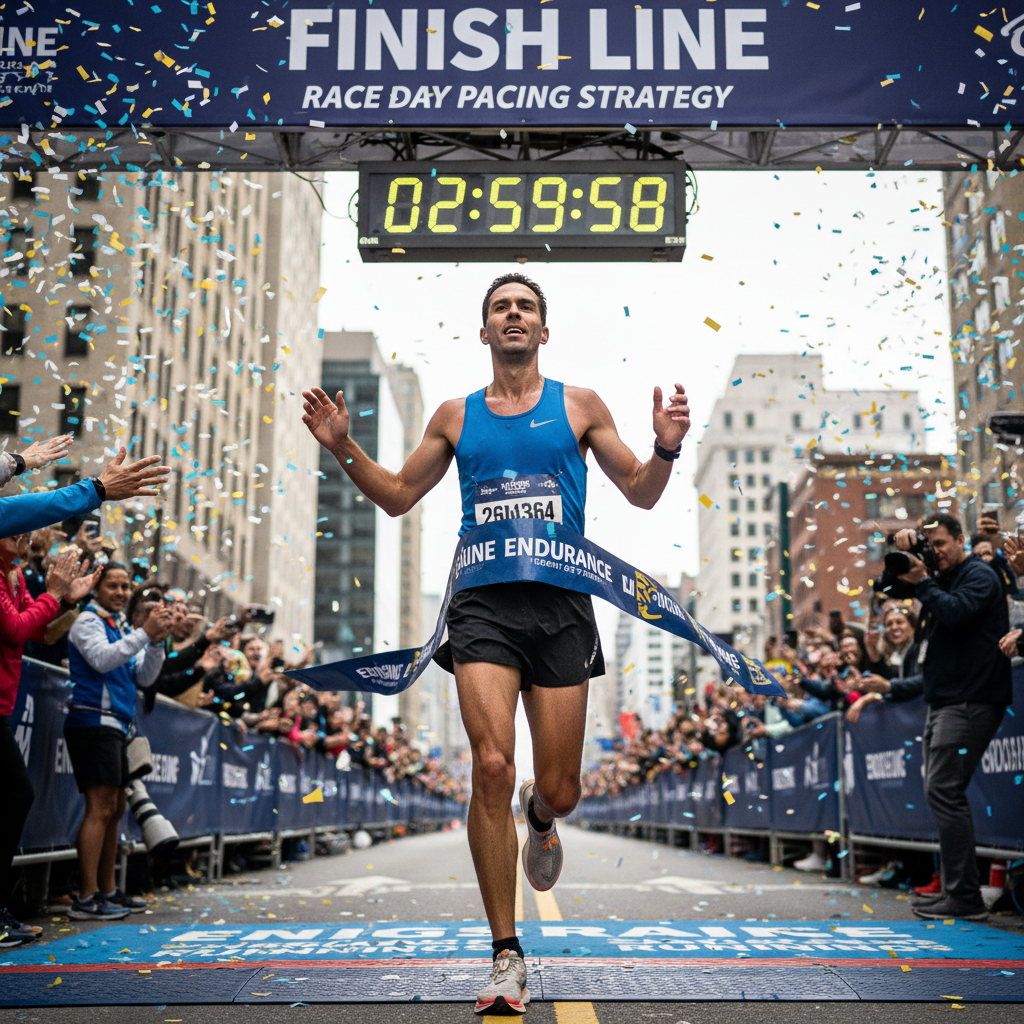
Pace is most valuable when the aim is race-specific execution. If you are preparing for a half marathon, marathon or triathlon run leg, you need to develop a clear sense of what target race pace feels like under controlled fatigue. Heart rate alone cannot provide that precision.
Threshold intervals are a good example. A session such as three 10-minute efforts near threshold may call for a pace range based on recent performance. The goal is to run economically at a demanding but sustainable speed. Heart rate should be monitored, but it may take several minutes to settle and therefore should not dictate the opening of every interval.
Shorter repetitions also favour pace. During 200-metre, 400-metre or hill repetitions, heart rate responds too slowly to guide each effort accurately. Pace, elapsed time, perceived exertion and running form are more practical controls. For cyclists, power plays a similar role, providing immediate feedback when heart rate is still catching up.
Pace is also useful for teaching restraint in race preparation. An athlete who cannot hold a planned marathon pace during a long run on suitable terrain needs to understand that early, rather than relying on a heart-rate ceiling that may disguise declining mechanics or poor fuelling.
Still, pace targets should be ranges, not handcuffs. Wind, hills, uneven trails and heat alter the cost of running. Chasing a flat-road pace on a hilly course is usually a poor decision, even when the session is labelled race-specific.
Use pace as the primary guide when
Use pace to lead key workouts that develop speed, threshold control and race execution. It is particularly effective when conditions are stable, the terrain matches the workout intention, and you have current performance data from a race or well-executed time trial.
The athlete’s job is to hit the purpose, not blindly hit a number. If a prescribed pace produces deteriorating technique, excessive breathing strain or a heart rate far above normal, adjust before the session becomes counterproductive.
When heart rate should lead the session
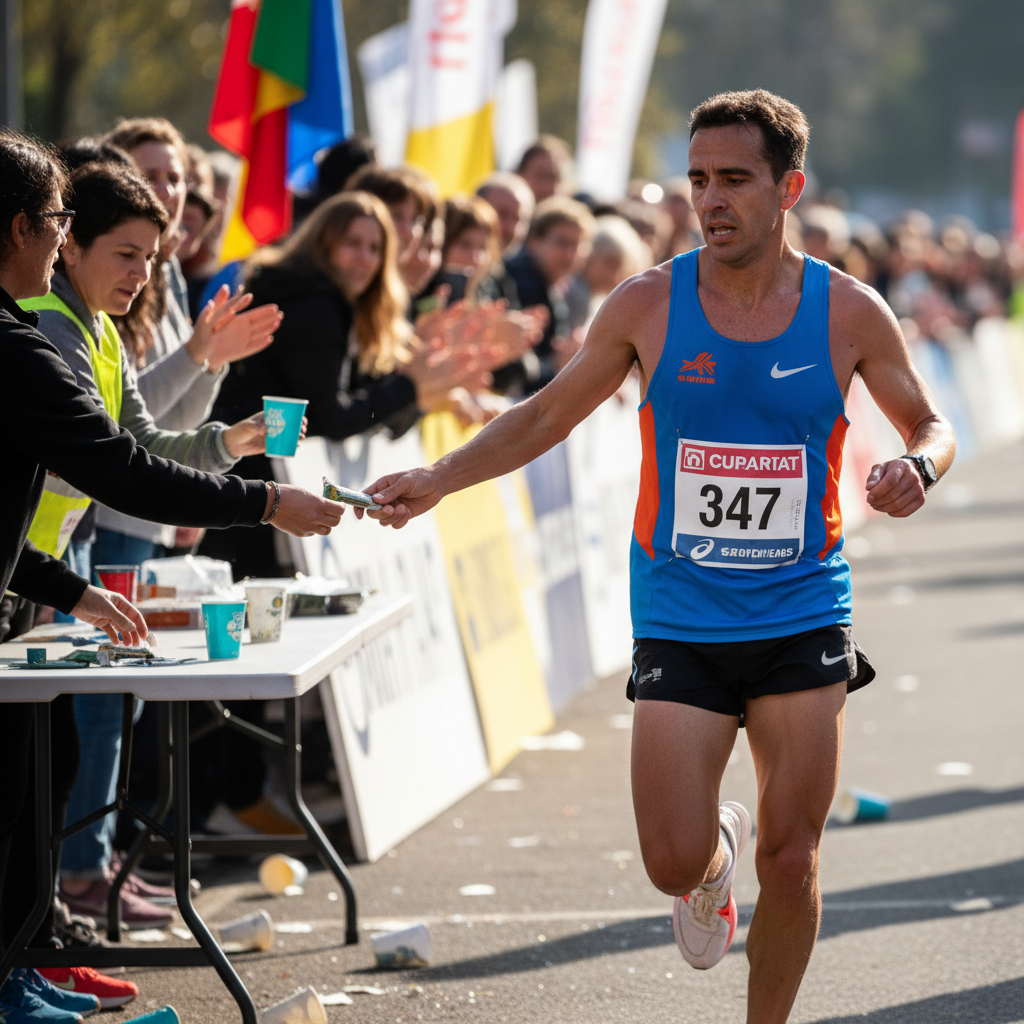
Heart rate is most useful for aerobic endurance work, recovery sessions and long rides or runs where the priority is controlling total stress. These sessions build the aerobic base that allows higher-quality work later in the week. They should not become accidental competitions with your watch.
On easy days, heart rate gives athletes permission to slow down. This can be especially valuable for driven age-group competitors who equate a slower pace with lost fitness. In reality, keeping easy work genuinely easy supports consistency, better recovery and stronger performance in demanding sessions.
Heart rate should also take priority in difficult environmental conditions. Australian athletes routinely train through heat, humidity and changing weather. A pace that feels comfortable in winter may create excessive strain in January. Letting heart rate cap the effort protects the session’s intended aerobic outcome.
Long endurance sessions are another strong use case. As duration increases, heart rate often rises at the same pace or power. This is known as cardiac drift. Some drift is normal, particularly in warm conditions, but a sharp rise can indicate poor hydration, inadequate fuelling, accumulated fatigue or an effort that began too hard.
That does not mean you must stop every time heart rate climbs. Look at the whole picture: fluid intake, weather, terrain, breathing, perceived effort and pace. The pattern is more useful than a single reading.
Establish useful heart-rate zones
Heart-rate zones are only as good as the data behind them. Generic formulas based on age are a rough starting point at best. Two 40-year-old runners can have dramatically different maximum and threshold heart rates, so identical zones would be misleading.
For endurance training, threshold-based testing is generally more useful than estimating maximum heart rate. A properly paced field test, conducted when rested and repeated over time, can provide a more individual reference point. The process needs consistency: use the same device where possible, similar terrain and sensible environmental conditions.
Chest straps are generally more reliable than wrist-based optical monitors, especially during intervals, cycling and sweaty conditions. A poor reading should never become a poor training decision. If the number does not match your breathing and effort, check the sensor before changing the session.
The limitations athletes must respect
Heart rate has a delay. When you surge up a hill or begin a hard interval, your muscles are working immediately but heart rate may take 30 to 90 seconds to reflect it. Trying to keep heart rate below a strict ceiling in short intervals can make the early part too aggressive or the later part too easy.
Heart rate is also vulnerable to daily variation. Dehydration, heat, illness, stress and poor sleep can all lift it. That is a reason to adapt, not a reason to obsess. One unusual run is simply information. Several days of elevated heart rate, poor recovery and declining performance may justify a reduced load.
Pace has its own blind spots. GPS can be unreliable around tall buildings, tree cover and sharp turns. More importantly, pace does not account for gradient. A 5:00/km effort uphill and downhill may display the same speed while placing very different demands on the body.
Perceived exertion remains the essential third metric. Athletes should know the feel of easy aerobic work, controlled threshold running and hard repeat efforts. Watches can guide decisions, but an athlete who cannot interpret breathing, muscular fatigue and rhythm will struggle when technology fails or race conditions shift.
A practical framework for combining both
Start by assigning a primary metric to every session. Easy runs, recovery rides and most long aerobic work should usually be guided by heart rate and perceived exertion. Tempo work and race-pace sessions should generally be guided by pace, with heart rate used as a check on whether the internal cost is appropriate.
For interval sessions, use pace or time to control the repetition and heart rate to assess recovery and overall load. If heart rate stays unusually high between repetitions, or pace drops despite greater effort, the session may need to be shortened. More volume is not automatically better training.
Review trends after the session rather than staring at the watch every few seconds. Did your easy pace improve at the same heart rate over several weeks? Did your heart rate remain more stable during a long run? Can you now hold threshold pace with better control? These are meaningful signs of development.
At Gene Convery Endurance Academy, the aim is not to prescribe numbers in isolation. It is to build athletes who understand the purpose behind each number and can make disciplined decisions when conditions are less than ideal.
The right choice between heart rate and pace changes with the session, the athlete and the day. Use pace to practise performance. Use heart rate to manage physiological cost. Then use your judgement to connect the two. That combination produces training that is not only harder when it needs to be, but smarter across the months that matter.