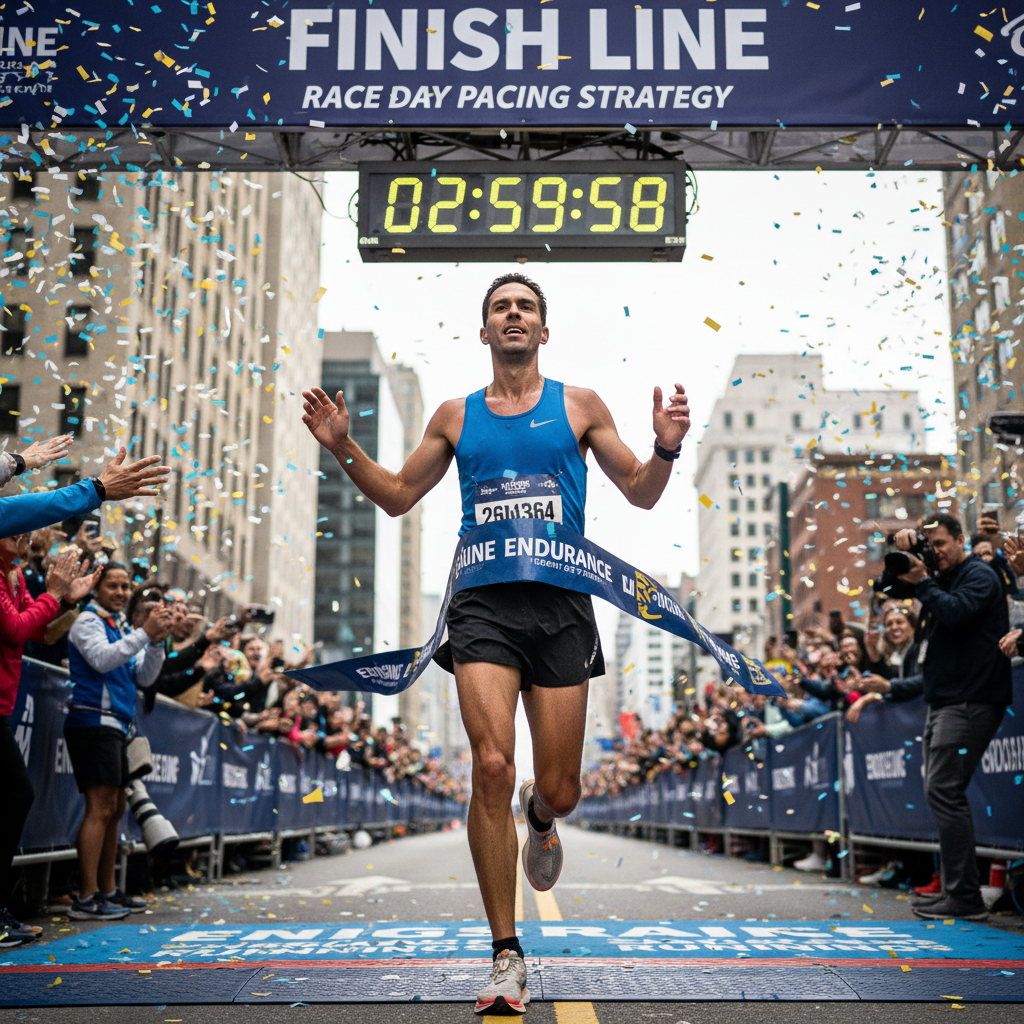











Race fitness can look convincing on a training app and still fail to transfer when the start gun goes off. Knowing how to train race readiness means preparing for the actual demands of your event: the pace changes, the terrain, the fuelling, the pressure and the decisions you will need to make when fatigue is high.
For runners, triathletes, cyclists and multisport athletes, race readiness is not created by one heroic session in the final fortnight. It is built through a sequence of specific training blocks that develop capacity first, then teach you how to apply it on race day. The objective is simple: arrive fit enough to perform, fresh enough to access that fitness, and prepared enough to execute without panic.
What Race Readiness Actually Means
Race readiness is the overlap of physical fitness, technical competence, fuelling confidence and tactical control. A strong aerobic base matters, but it is only one part of the performance equation. An athlete can have excellent general endurance and still underperform because they have not practised holding race effort, managing heat, riding into a headwind, pacing climbs or taking in carbohydrate at speed.
The closer you move towards your event, the more training should answer a specific question: can you execute the demands of this race? For a half marathon runner, that may mean sustaining goal pace on tired legs. For a long-course triathlete, it may mean riding at a controlled power output while fuelling well enough to run strongly afterwards. For a cyclist, it could mean repeated efforts over rolling terrain without exceeding the effort you can sustain for the full distance.
This is where generic hard work stops being enough. Race readiness requires deliberate practice.
How to Train Race Readiness With Specific Sessions
The final eight to 12 weeks before an important event should progressively shift from broad development towards race-specific work. That does not mean every session needs to mimic race day. It means the key sessions need a clear connection to the performance you want to deliver.
Start with the demands of the event. Consider duration, elevation, surface, expected weather, aid-station access, technical sections and the likely intensity profile. A flat road race asks different questions from a trail event with long climbs, just as a draft-legal triathlon requires a different skill set from an Ironman-distance race.
Build the engine before demanding precision
Race-specific sessions only work when they sit on top of sufficient aerobic conditioning and strength. Athletes often rush this stage because race pace feels more exciting than easy endurance work. Yet endurance volume, controlled threshold training and appropriate strength work provide the foundation that allows race-specific sessions to be completed with quality.
If your aerobic durability is not established, repeated race-pace efforts will become survival sessions. You may complete them, but you are unlikely to absorb the training well or reproduce the effort when it counts. Build capacity first, then introduce more demanding specificity as the event approaches.
Rehearse race pace, not just faster pace
There is a place for high-intensity work in most endurance programmes. It can raise your ceiling and improve economy. But race readiness is usually determined by your ability to control an effort below that ceiling for a long time.
A marathon athlete might progress towards long runs that include sustained sections at marathon pace. A cyclist preparing for a gran fondo may include extended blocks at anticipated race power, especially late in a long ride. A triathlete may complete a bike session at target effort followed by a measured transition run.
The important word is measured. The goal is not to win training. The goal is to learn the effort that you can sustain while staying mechanically efficient and metabolically controlled. If every rehearsal ends in a collapse, your pacing target, recovery strategy or session design needs adjustment.
Train the terrain and conditions where possible
The course does not care what your favourite training route looks like. If your event includes climbing, uneven trails, rough roads, heat or exposed coastal conditions, prepare for them deliberately.
You cannot always replicate the course exactly, particularly in an Australian summer when heat and humidity can make conditions unpredictable. You can, however, prepare the relevant skills. Run hills at controlled race effort rather than charging every ascent. Practise descending when your legs are already tired. Ride in wind without constantly surging above target power. Use heat-acclimation sessions carefully and progressively when a hot race is likely.
Specificity does not mean creating identical conditions every day. It means reducing surprises.
Make Fuelling Part of the Training Plan
Poor fuelling can undo months of conditioning. It is also one of the most trainable elements of endurance performance.
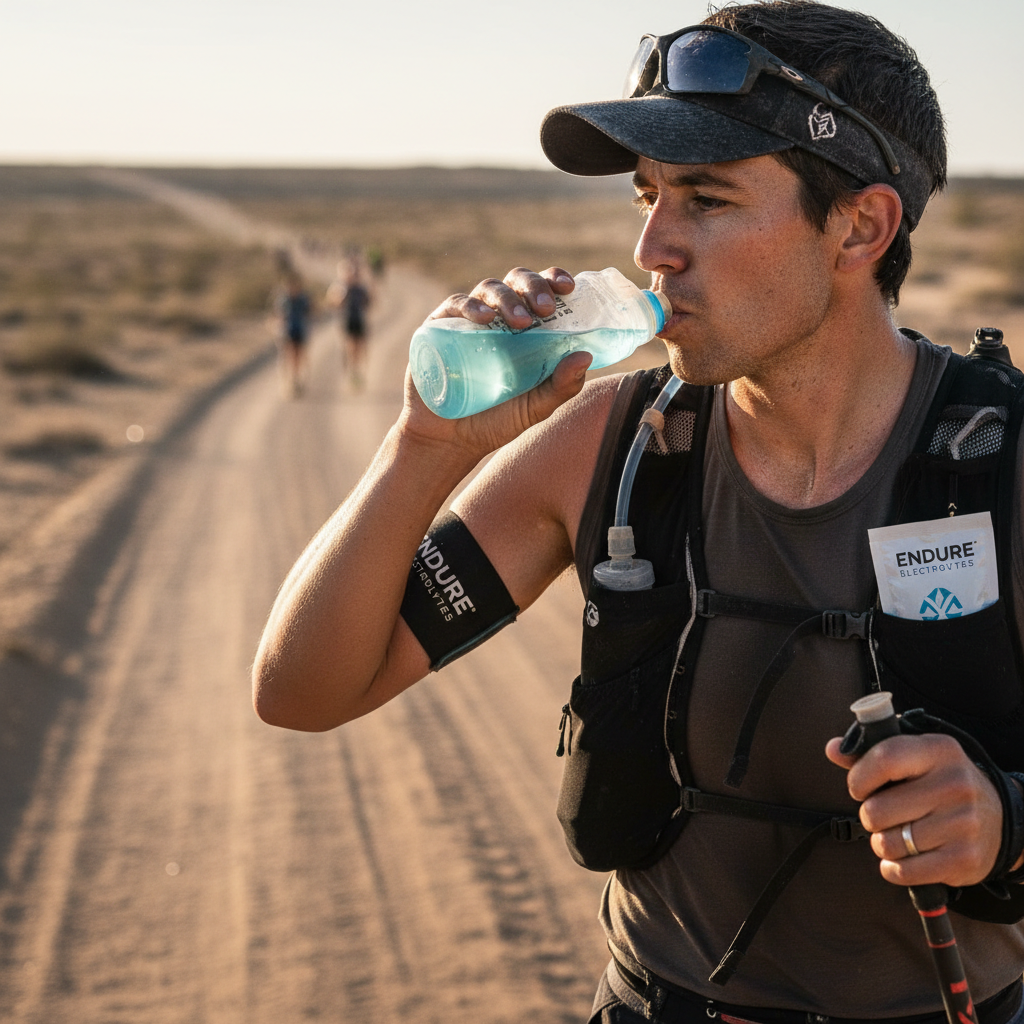
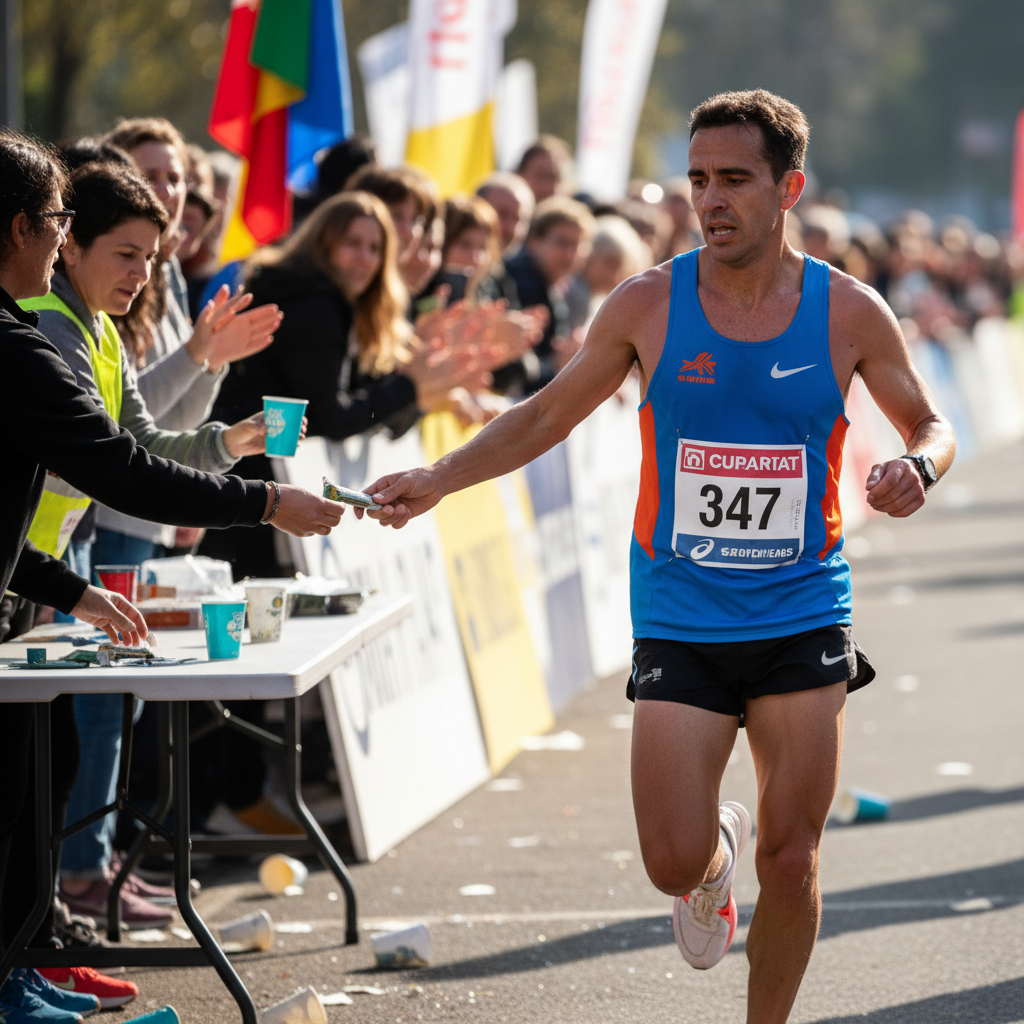
Practise your race nutrition during key long sessions, using the products, concentrations and timings you expect to use on the day. Your gut needs training as much as your legs do. Start with a carbohydrate intake you tolerate comfortably, then build towards the amount required for the duration and intensity of your event. Longer events generally demand a more deliberate approach than shorter races, but the principle remains the same: do not improvise under pressure.
Use these sessions to solve practical problems. Can you open your nutrition while riding? Does your drink mix remain palatable in warm weather? Can you take in fuel during harder running segments without stomach distress? Are you drinking enough, or simply overdrinking because you fear dehydration?
Sweat rate, sodium needs and carbohydrate tolerance vary between athletes. Avoid copying a training partner’s plan without testing it. A disciplined, individual approach is far more useful than a fashionable protocol.
Learn to Pace the First Hour
Many races are compromised early, not late. The opening kilometres, first climb or first section of the bike leg can feel deceptively easy due to adrenaline, fresh legs and surrounding athletes moving too quickly. The cost often arrives much later.
Develop a pacing plan with ranges rather than a single rigid number. Conditions change. Wind, heat, hills and congestion can all alter the output that makes sense on the day. A runner may use pace on flat terrain but cap effort on climbs. A cyclist may work from power ranges while monitoring heart rate and perceived exertion. A triathlete needs to protect the run by resisting unnecessary surges on the bike.
Your key workouts should include controlled starts. Begin below target effort, settle into the intended rhythm, then assess whether you can maintain form and fuelling. This is harder than it sounds, especially for competitive age-group athletes. It is also a skill that produces better performances.
Include Race Simulations Without Turning Them Into Races
A race simulation is one of the best ways to identify gaps in your preparation. It may be a long run with race-pace blocks, a full bike-to-run brick session, or a course-specific ride that includes your planned fuelling strategy. It should be demanding enough to provide useful feedback, but not so demanding that it creates excessive fatigue or injury risk.
One or two quality simulations are often sufficient for a target event. More is not always better. A full-distance rehearsal may suit an experienced athlete preparing for a long event, while a newer athlete may gain more from shorter, well-executed sessions that build confidence without compromising recovery.
After each simulation, review the evidence. Did you hold the intended effort? Did your nutrition work? Did your footwear, clothing and equipment cause problems? Did fatigue change your technique? Treat these findings as coaching data, not as a judgement on your ability.
Taper to Reveal Fitness, Not Lose It
The taper is where many athletes become impatient. Training volume drops, routine changes and race nerves increase. Some respond by adding extra intensity or extending easy sessions because they fear losing fitness.
You will not lose meaningful endurance fitness from an appropriate taper. You can, however, carry unnecessary fatigue into the event by training too hard too close to race day. Reduce volume progressively while retaining small, controlled exposures to race-relevant intensity. This keeps the body responsive without adding a large recovery cost.
The correct taper depends on event duration, training history and the athlete’s ability to recover. A short race may require only a modest reduction. A long-course event usually benefits from more space. The common requirement is confidence in the plan. Do not make major changes because another athlete is training differently.
Prepare the Mind Through Evidence
Confidence is not positive thinking. It is the accumulated proof that you have done the work required. Every well-paced long session, successful fuelling rehearsal and controlled race-pace effort gives you evidence to rely on when race-day nerves rise.
Write down your execution plan before the event: your opening effort, fuelling timings, equipment checklist and response to common problems such as heat, a missed bottle or an unexpectedly hard climb. Keep it simple enough to remember when tired. Your plan should guide you, not trap you.
At Gene Convery Endurance Academy, preparation is treated as an athlete development process, not a last-minute search for fitness. The most reliable performances come from athletes who respect the details as much as the hard sessions.
Race day will always contain variables you cannot control. Your job is to arrive having rehearsed the ones you can. Train with enough specificity that when the race becomes difficult, it still feels familiar.