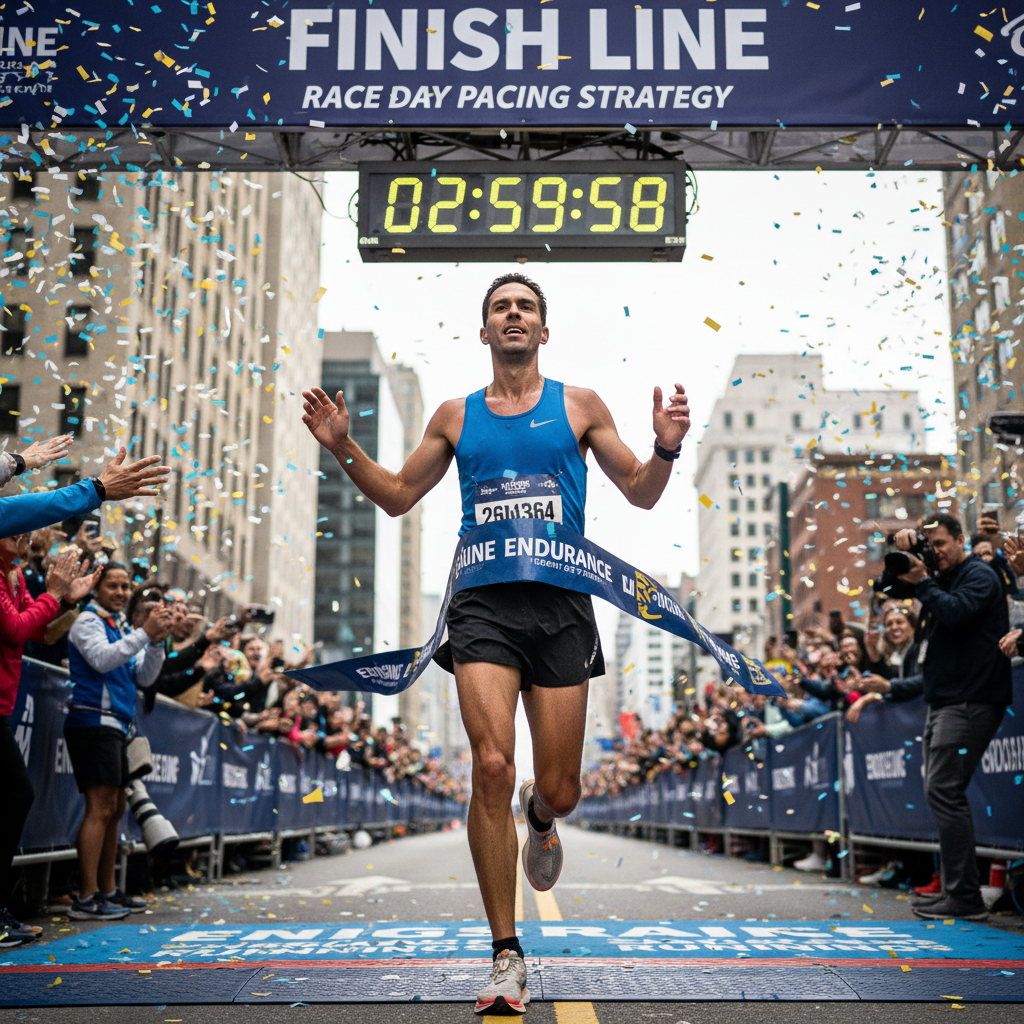






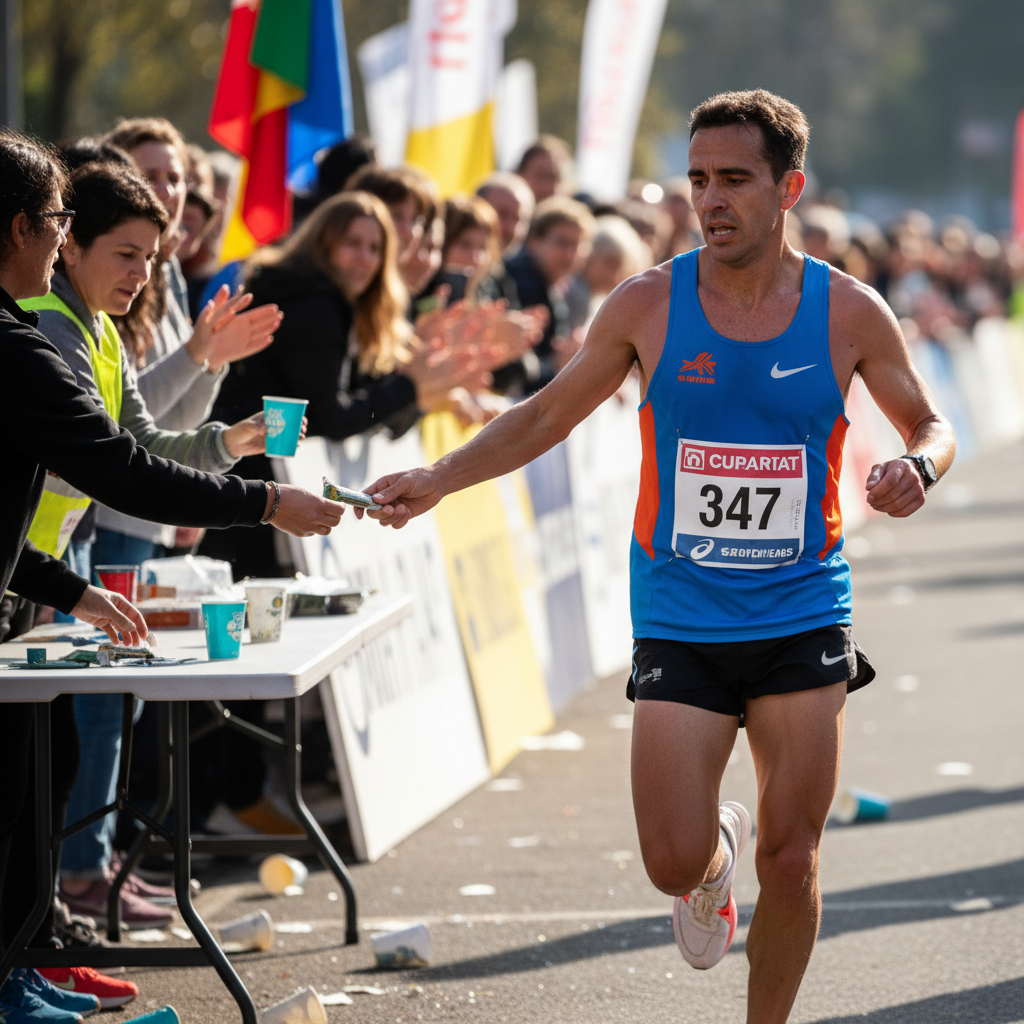






The work is done. By race week, the temptation to squeeze in one more long ride, hard run or confidence-building session can be strong. A smart race week tapering guide protects the fitness you have already earned while reducing the fatigue that can hide it. Your goal is not to feel like you have trained hard. Your goal is to arrive on the start line ready to perform.
For endurance athletes, tapering is a skill. Get it right and you feel lighter, sharper and more controlled. Get it wrong and you can carry fatigue into the race, or back off so heavily that you feel flat and disconnected from your rhythm. The right approach depends on your event, training history, recovery profile and race duration, but the principles are consistent.
What race week tapering is designed to achieve
Fitness does not disappear in a few easier days. That fear drives many athletes to overtrain in race week. Aerobic adaptations built across months of consistent work are resilient. Fatigue, however, can remain stubbornly high after a demanding block, particularly when life stress, poor sleep, travel or heavy legs have been part of the equation.
The taper creates room for that fatigue to fall. Training volume comes down, but enough intensity remains to maintain neuromuscular sharpness and race-specific feel. Think of it as reducing the amount of work, not abandoning the quality that prepares you to race.
For a 5 km, 10 km or sprint-distance event, race week may only involve a modest reduction in training. For a marathon, long-course triathlon or major cycling event, the final seven days demand more restraint. Athletes carrying a high training load, those over 40, and anyone who has struggled to recover through the final build often benefit from a more conservative approach.
Race week tapering guide: reduce volume, retain intent
The central rule is simple: reduce volume substantially while retaining small, controlled exposures to intensity. For many endurance events, a 30 to 50 per cent reduction in normal weekly volume during race week is appropriate. Longer events or athletes with significant accumulated fatigue may sit toward the higher end. Shorter races may require less of a reduction.
That does not mean every session becomes slow and easy. A runner preparing for a half marathon might complete a short session with a few race-pace efforts early in the week. A cyclist could include brief, controlled efforts around threshold or race pace. A triathlete may use short race-specific touches in each discipline, while avoiding a session that creates lingering soreness.
The purpose of these efforts is not fitness gain. It is to remind the body how race rhythm feels. Finish them wanting more. If a workout becomes a test, it has missed its purpose.
A useful distinction is between activation and fatigue. Strides, short accelerations, brief hill efforts and compact race-pace intervals can provide activation. Long intervals, hard group rides, heavy gym work and repeated maximal efforts are more likely to create fatigue. In race week, choose the former.
Keep easy sessions genuinely easy
Easy training should support circulation, movement quality and confidence. It should not become a disguised fitness session because you are restless. Keep the pace conversational, the terrain sensible and the duration short enough that you finish fresher than when you started.
This matters especially for athletes who use training as stress relief. Race week can feel uncomfortable because the normal outlet has been reduced. Recognise that feeling for what it is. Do not answer it with extra kilometres.
Do not chase a perfect feeling
Some athletes feel brilliant during a taper. Others feel heavy, flat or unusually restless. Neither sensation is a reliable predictor of race performance. Reduced training can alter how your legs feel, and stored carbohydrate can make you feel slightly fuller or less springy in the days before an event.
Judge the taper by your process, not a single run or ride. If you have reduced load appropriately, slept well, eaten consistently and avoided unplanned hard work, stay the course. Racing is the test. Race week is preparation.
A practical seven-day approach
The exact layout should reflect your programme, but the final week usually follows a clear pattern. Early in the week, include one concise session with race-specific intensity. Midweek, prioritise easy movement, technical preparation and recovery. In the final 48 hours, keep activity short and controlled, then arrive with energy intact.
For a Sunday race, Tuesday or Wednesday is often the best time for the final meaningful sharpening session. This might be a short run with controlled efforts, a bike session containing a few efforts at race power, or a triathlon workout with brief discipline-specific work. Thursday and Friday should be light. Saturday is typically either rest or a brief activation session, depending on what helps you feel prepared.
The total session length matters as much as the interval prescription. An athlete who normally rides three hours does not need a two-hour ride because it feels easy. A 45 to 75-minute session with a handful of purposeful efforts is usually enough. Similarly, a marathon runner does not need a long run in race week. The long run has already done its job.
Strength training needs particular discipline. Avoid heavy lower-body lifting, novel exercises and sessions that leave muscle soreness. If strength work is a well-established part of your routine, a brief maintenance session early in the week may be appropriate. Otherwise, leave it alone. No strength gain achieved now will improve Sunday’s result.
Fuel for performance, not for fear
A reduced training load lowers energy expenditure, but that is not a reason to underfuel. Race week is when athletes need sufficient carbohydrate to restore glycogen, protein to support recovery and enough total food to keep stress low and immunity supported.
For shorter races, normal eating with a modest increase in carbohydrate in the final day or two is often enough. For endurance events lasting beyond 90 minutes, deliberate carbohydrate loading can materially improve performance. The exact amount should match the event, body size, gut tolerance and your usual nutrition strategy.
Do not turn race week into an experiment. Avoid unfamiliar supplements, a dramatic fibre reduction, a restaurant meal loaded with ingredients you rarely eat, or an aggressive attempt to lose weight. The scale is irrelevant now. A well-fuelled athlete may weigh slightly more because stored glycogen binds water. That is useful race fuel, not a problem to solve.
Hydrate steadily across the week, particularly in Australian heat or when travelling to a warmer race location. Drinking excessive plain water is not the answer. Use normal meals, sensible fluid intake and electrolytes where conditions and individual sweat losses justify them. Your urine does not need to be perfectly clear all day. Pale yellow is a more practical guide.
Make logistics part of the taper
Race stress is still stress. A flawless training taper can be undermined by poor sleep, late travel, frantic equipment checks or standing around at an expo for hours. Reduce the avoidable demands.
Prepare these essentials before the final 48 hours:
- Confirm transport, parking, registration times and the route to the start.
- Lay out race kit, footwear, nutrition, bottles, electronics and weather contingencies.
- Check your bike, tyres, chain, brakes and race-day spares well before the day prior.
- Finalise your pacing and fuelling plan in writing, including what you will do if conditions change.
This is not about controlling every variable. It is about preserving attention for the variables that matter. When the race morning is calm, you can assess conditions, execute your warm-up and start with a clear head.
Sleep, nerves and the final 24 hours
Prioritise sleep across the whole week rather than panicking about the night before. Pre-race nerves often make Friday or Saturday sleep imperfect, even for experienced athletes. One unsettled night will not erase a strong training block. The bigger issue is several poor nights created by late work, alcohol, travel or screen time.
Keep your final evening boring by design. Eat familiar food, prepare your gear, set more than one alarm if required, and get off your feet. If you are racing early, avoid spending the afternoon wandering through shops or taking on unnecessary family commitments. Save your energy.
The day before, a short activation can help many athletes settle. This may be a 15 to 30-minute easy jog with a few strides, a brief spin with several high-cadence efforts, or a short swim that reinforces feel for the water. It should leave no doubt that you could do more.
Trust the work when the gun goes
A taper is not passive time. It is a deliberate final phase of performance preparation. Reduce volume, keep a small amount of race-specific intensity, fuel with purpose, protect sleep and remove logistical noise. Then resist the urge to prove your fitness before the start.
Your race is the opportunity to express the work. Give yourself the best chance by arriving fresh enough to use it.