










A lot of athletes do not have a motivation problem. They have a structure problem. They train hard, show up consistently and still plateau because the work is not organised well enough to move performance forward. That is where endurance coaching changes the outcome.
For serious runners, cyclists, triathletes and multisport athletes, improvement rarely comes from doing more for the sake of it. It comes from doing the right work at the right time, with enough load to create adaptation and enough restraint to absorb it. Good coaching brings order to that process. It replaces guesswork with progression.
What endurance coaching is really for
At its best, endurance coaching is not just a weekly program dropped into an app. It is a performance system. The coach looks at your current capacity, your event demands, your training history, your life constraints and your response to load, then builds a path from where you are to where you want to be.
That sounds straightforward, but in practice it is where many athletes lose months or years. Self-coached training often drifts toward what feels productive rather than what is productive. Easy days become moderate. Hard days become random. Long sessions are added without a clear role. Racing enters the calendar before the engine is ready.
A coach should correct that. The job is to create intent behind every phase of training so each block supports the next. Base work develops durability. Specific work sharpens the demands of the event. Recovery restores quality. Testing and racing confirm whether the process is working.
Why capable athletes still underperform without coaching
Most endurance athletes know a fair bit. They understand intervals, threshold work, long rides, brick sessions and recovery. Knowledge is useful, but knowledge alone does not always produce disciplined decision-making.
The problem is rarely information. It is application. Athletes tend to overestimate how much intensity they can carry, underestimate the cumulative effect of fatigue and struggle to judge when to push and when to back off. That is especially true for high-performing recreational athletes balancing work, family and training.
A strong coach gives external objectivity. If your sleep has been poor, work stress is high and your resting markers are off, the session may need adjusting. If training has gone well for six weeks, it may be time to progress load before adaptation stalls. If your race goal is ambitious but realistic, the program should reflect that standard without becoming reckless.
This is where coached athletes often separate themselves. Not because they are tougher, but because their effort is directed better.
What good endurance coaching should include
There is a difference between supervision and coaching. Supervision is passive. Coaching is active and accountable.
A proper coaching process should begin with assessment. That includes training background, current fitness, injury history, event goals and practical constraints. A marathon build for a shift worker in Brisbane will not look the same as an Ironman preparation for an office-based athlete in Melbourne, even if both athletes are equally committed.
From there, the program should be structured around progression rather than entertainment. Sessions need a clear purpose. Volume should build with logic. Intensity should be prescribed with care. Recovery should be planned, not treated as something you earn only after breaking yourself.
Communication matters as well. Coaching is not only about what is written on the page. It is about how the coach interprets your feedback, how quickly they identify patterns and whether they can adjust the plan without losing the bigger objective.
The best coaches also educate. Athletes should understand why they are doing a given session, what a phase is designed to achieve and how to execute training with control. That does not mean overloading every week with theory. It means building smarter athletes, not dependent ones.
Endurance coaching for different athletes
Not every athlete needs the same level of support, and this is where context matters.
A newer endurance athlete may need help building routine, pacing discipline and basic aerobic durability. For this athlete, coaching often prevents the classic errors of doing too much too soon or chasing intensity before consistency exists.
An experienced age-group athlete usually needs more precision. The broad habits are already there. The gains come from better timing of workload, sharper event-specific preparation and more disciplined management of recovery. Marginal improvements matter more when the obvious gains have already been made.
For competitive athletes, coaching becomes even more exacting. Session density, race scheduling, taper strategy and performance analysis all need tighter control. One misplaced block can compromise an entire build.
That is why generic plans only go so far. They can provide structure, but they cannot account for how your body responds, how your week actually unfolds or whether your current trajectory matches your target.
The trade-off between flexibility and precision
Some athletes avoid coaching because they worry it will remove freedom. That concern is understandable, especially for people who train because they enjoy the autonomy of endurance sport.
Good coaching should not feel restrictive for the sake of it. It should provide structure with room for reality. Work trips happen. Kids get sick. Weather changes. Fatigue does not always read the calendar. Precision matters, but so does adaptability.
At the same time, too much flexibility turns a training plan into a suggestion. If every key session is optional and every week is rearranged on impulse, progression becomes inconsistent. The balance is to protect the work that matters most while adjusting what can move.
That balance is one of the real strengths of academy-style coaching. It combines standards with support. Athletes know the expectation, but they are not left to interpret every setback alone.
How endurance coaching improves race performance
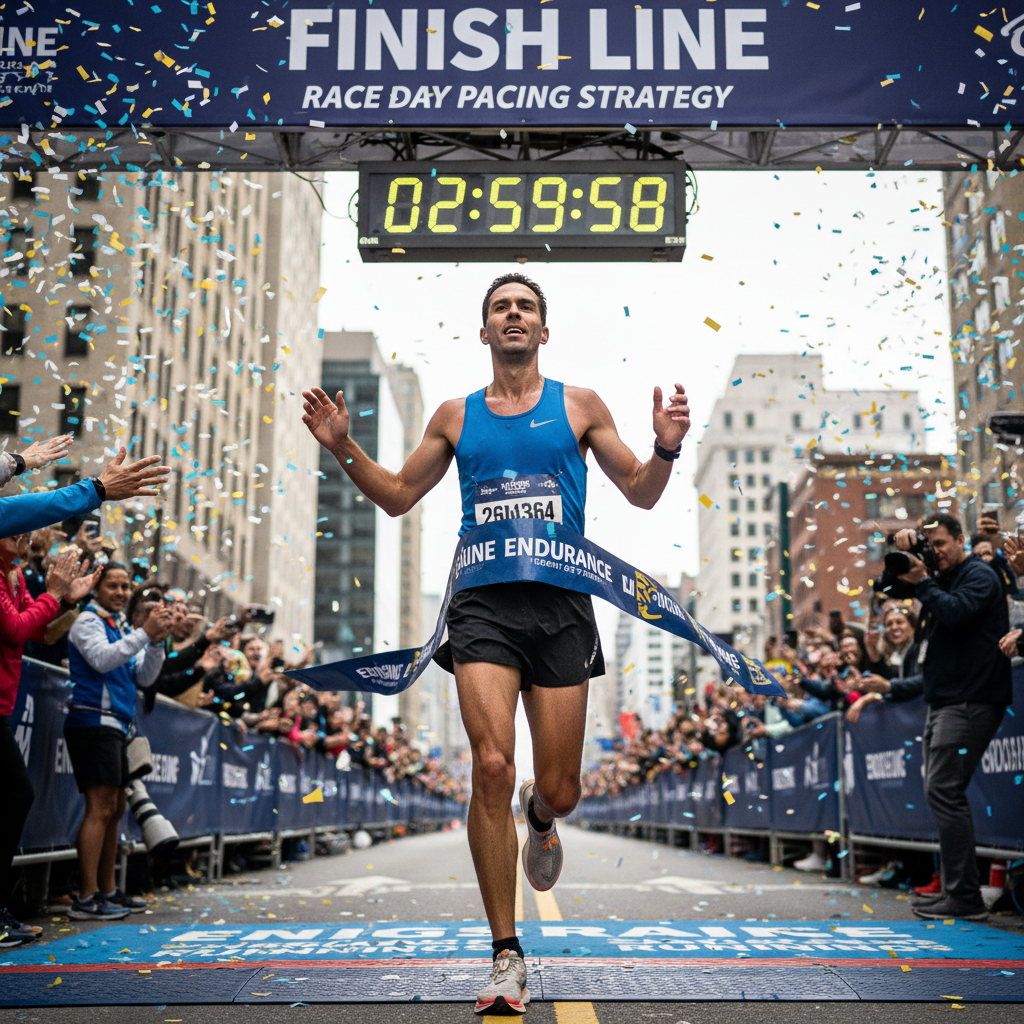
Race-day success is usually built months earlier. It comes from repeated exposure to the right kind of training, not from a late rush of confidence.
Coaching improves race performance by sharpening three things. First, it develops the physical capacity required for the event. Second, it prepares the athlete to express that fitness under pressure. Third, it reduces the wasted training that often leaves athletes flat, underdone or overcooked.
For runners, that may mean a better distribution of aerobic running, threshold development and race-pace specificity. For cyclists, it may involve careful management of volume, power targets and fuelling practice. For triathletes, it often comes down to integrating the disciplines without letting one compromise the others.
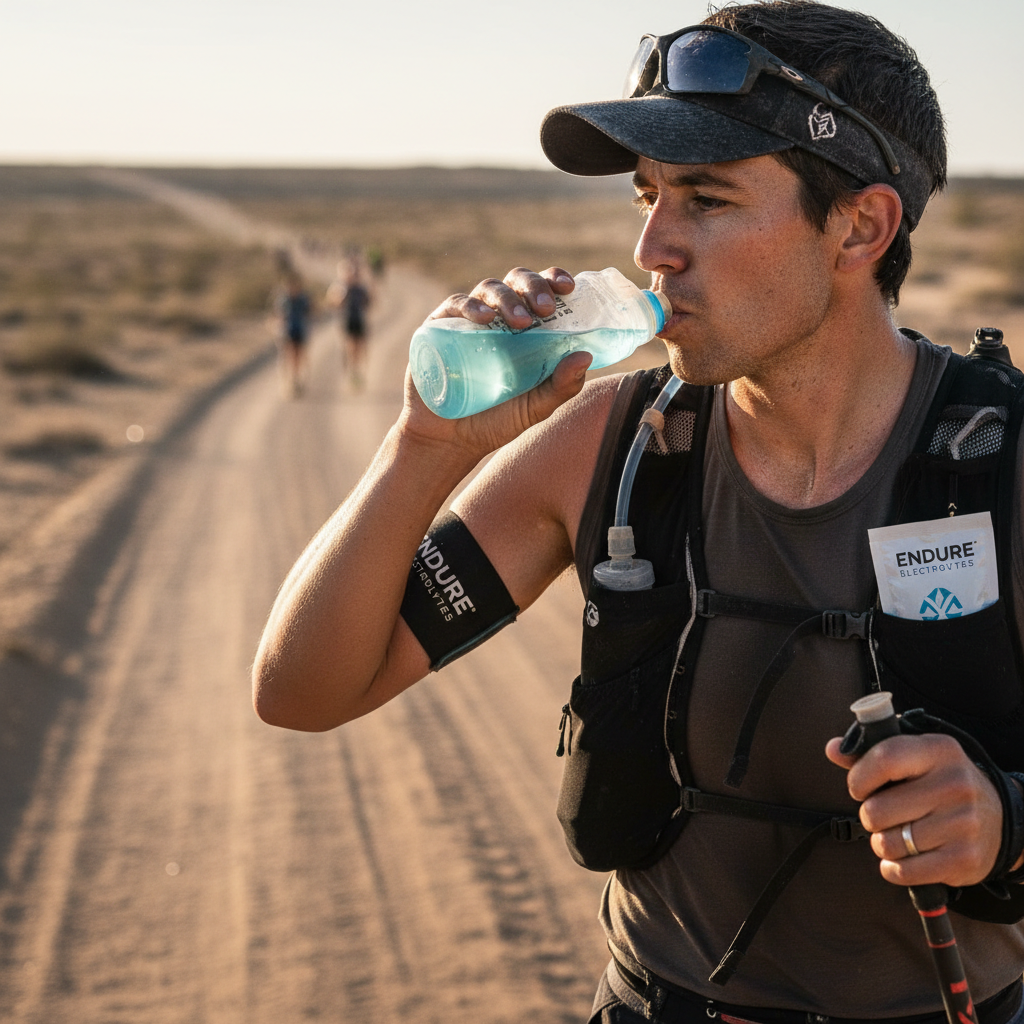
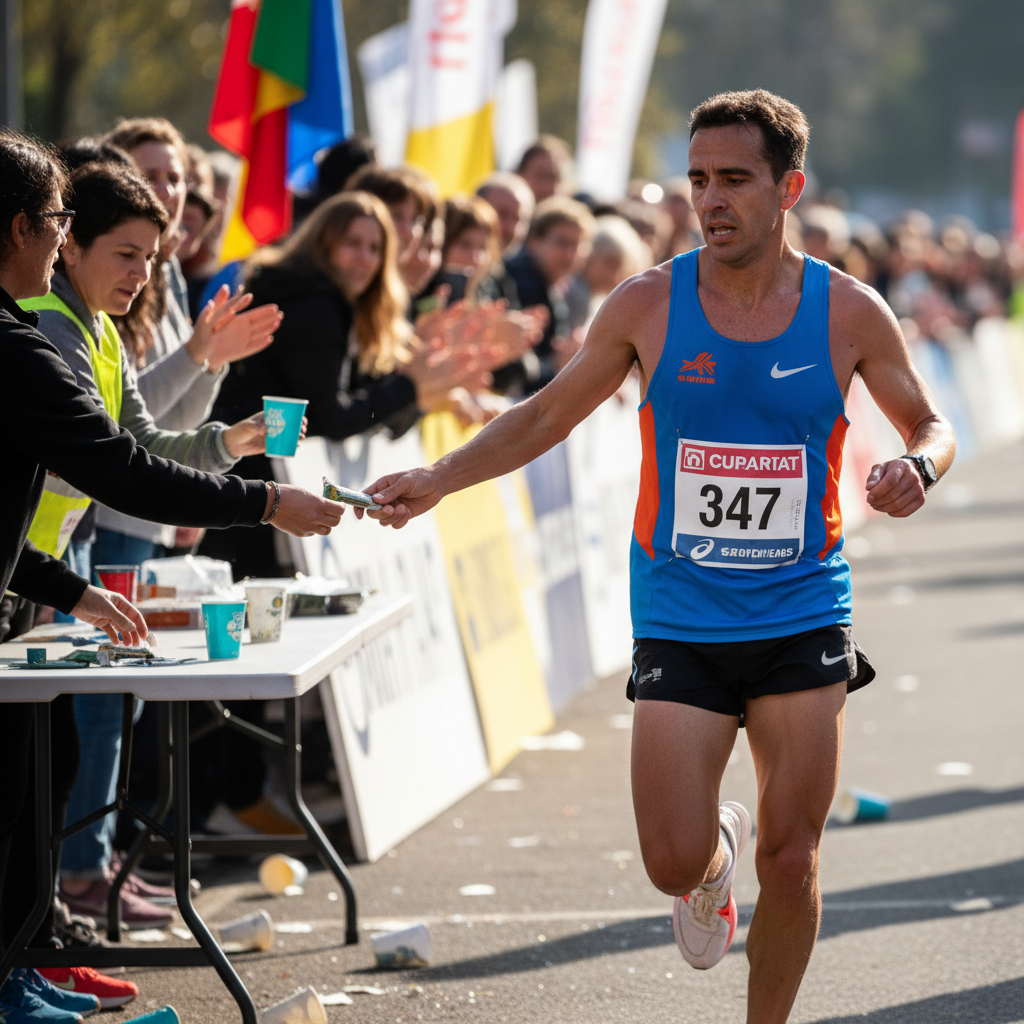
Race execution also improves with coaching. Pacing, nutrition, warm-up strategy and taper timing are all trainable decisions. Many athletes lose minutes not because they lacked fitness, but because they misjudged effort, ignored fuelling or arrived tired from poor planning.
A coach should close that gap between training performance and race performance.
What to look for in an endurance coach
Results matter, but methodology matters just as much. A coach should be able to explain how they build progression, how they monitor response and how they adapt when training does not go to plan.
Look for clarity. If the coaching approach sounds vague, the training usually will be too. Look for standards. Serious endurance development requires consistency, honesty and a willingness to do the work properly. Look for fit. The best coach for a podium-level athlete may not be the best coach for someone balancing training around a demanding family and career load.
It also helps to choose a coach or academy with a clear endurance identity. General fitness coaching can improve health, but performance in endurance sport asks for deeper specificity. The demands of a marathon, a long-course triathlon or a road cycling campaign are too distinct for broad programming alone.
This is where a specialist model stands out. Gene Convery Endurance Academy, for example, reflects the value of a structured, performance-led approach rather than a generic fitness service. That distinction matters when the goal is measurable improvement.
Coaching is not a shortcut - it is a better process
Some athletes think coaching is only for elites. Others treat it as a rescue option when things have already gone wrong. Neither view is particularly useful.
Coaching is not a shortcut, and it does not remove the need for discipline. You still need to train well, recover properly and show patience when progress is gradual. What it does offer is a better process. Better sequencing. Better accountability. Better decisions over time.
And that is usually what endurance performance comes down to. Not one heroic session, but months of work aligned to a clear objective.
If you are serious about improving, ask a simple question: is your training demanding, or is it directed? The athletes who keep progressing are rarely the ones doing the most. They are the ones building with purpose, week after week, until performance has no choice but to rise.