






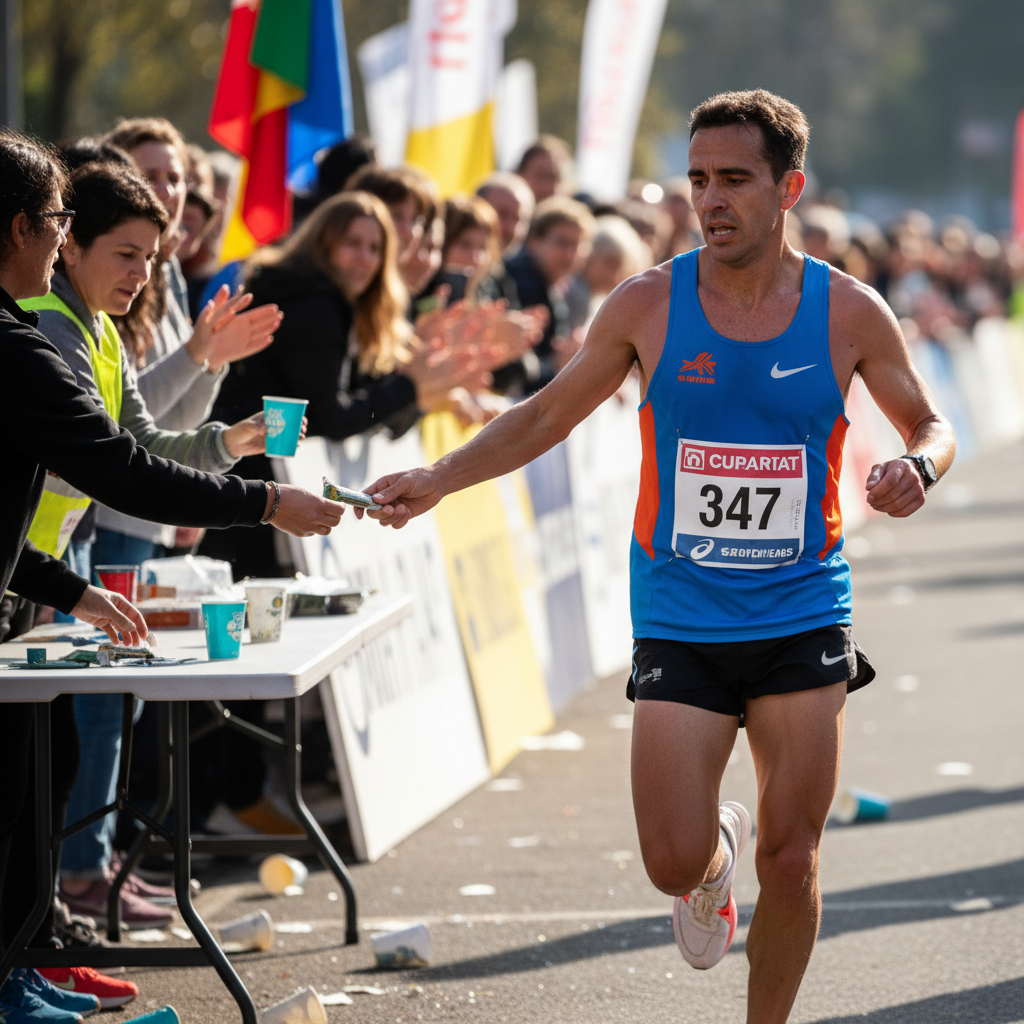






The session that built fitness at 30 can become the session that creates a three-day hangover at 45. That is not a reason to lower your standards. It is a reason to raise the quality of your recovery decisions. This masters athlete recovery guide is for endurance athletes who still want to race well, train with intent and improve year on year without confusing fatigue with productive work.
Recovery is not the opposite of training. It is the process that makes training count. For runners, cyclists and triathletes balancing work, family and serious sporting goals, the objective is not to feel perfectly fresh every day. It is to arrive at key sessions ready to execute, absorb the work, and repeat that process consistently over months.
Why recovery changes for masters endurance athletes
Masters athletes are not a single category. A well-trained 50-year-old with a stable training history may tolerate more work than a newer athlete in their late 30s. Still, the margin for error often narrows with age. Muscle damage from hard running can linger longer, sleep may be less predictable, and the cost of stacking demanding days rises quickly.
The solution is not to remove intensity. Endurance performance still requires threshold work, race-specific efforts, strength and enough volume to develop aerobic capacity. The adjustment is in dose, placement and follow-through. A demanding session needs a clear purpose, adequate preparation and enough recovery to allow adaptation.
The common mistake is trying to preserve the training structure used a decade earlier while recovery capacity has changed. A better approach is to keep the performance goal and redesign the weekly rhythm around it.
The masters athlete recovery guide: protect the hard days
The highest-value recovery habit is protecting the quality of your key sessions. If Tuesday contains intervals and Saturday is your long run with race-pace work, those sessions should sit at the centre of the week. Easy days, strength work, cross-training and total volume should support them rather than compete with them.
For many masters athletes, two demanding sessions per week is enough when the long session includes meaningful load. Others can handle three, particularly cyclists who can build aerobic volume with lower impact. It depends on training age, injury history, event demands, life stress and how well the athlete responds, not on a generic programme template.
Avoid the grey zone that sits between truly easy and genuinely hard. Riding or running moderately hard because it feels productive often leaves you too fatigued to hit the work that moves performance forward. Easy endurance training should be controlled enough that it restores confidence rather than draining it.
A useful weekly pattern may place a quality workout early in the week, an easy or recovery day after it, a second targeted session later in the week, then a longer endurance session on the weekend. This is not rigid. The principle is simple: give stress room to work.
Fuel recovery before it becomes a problem
Under-fuelling is one of the fastest ways to turn manageable training into persistent fatigue. Masters athletes are sometimes tempted to restrict food intake while chasing race weight, but low energy availability compromises recovery, training quality, immune function and long-term consistency.
After a hard or long session, start the recovery process early. Carbohydrate helps replenish glycogen, particularly when another important session is scheduled within 24 hours. Protein supports muscle repair and adaptation. A practical post-session meal might be yoghurt and fruit with muesli, eggs on toast, or rice with lean protein and vegetables. The exact food matters less than making it a reliable habit.
Daily protein intake also deserves attention. Spread protein across meals rather than relying on one large dinner, especially when training volume is high or strength work is part of the programme. Hydration matters too, but do not treat it as a ritual of drinking excessive water. Replace fluid losses sensibly, include electrolytes after long sessions in heat, and monitor how you feel, perform and recover.
Australian summers add another layer. Heat raises cardiovascular strain and fluid losses, even when pace or power is lower than usual. A session that looks modest on the watch may still require serious recovery. Adjust expectations accordingly.
Sleep is a training variable
Most recovery strategies are minor compared with consistent sleep. A massage gun, compression boots and cold water may have a place, but none can compensate for repeatedly cutting sleep short.
Aim for a stable sleep and wake time where possible, particularly before and after demanding training blocks. Protect the final hour before bed from work emails, heavy meals and scrolling that keeps the mind active. If an early session means regularly sacrificing sleep, reconsider the schedule. Training at 5 am is only superior if it allows adequate sleep beforehand.
Sleep will not always be perfect. Travelling, work deadlines, children and race nerves are real. In those weeks, reduce the pressure elsewhere. Replace an optional intensity session with easy aerobic work, shorten the long run, or move strength training away from the most demanding day. Good coaching accounts for the athlete’s whole load, not only kilometres and watts.
Strength training should support endurance work
Strength training can improve durability, force production and resilience, but its timing matters. A heavy lower-body session placed before track intervals or a long hilly run can compromise both sessions and leave you carrying unnecessary soreness.
For most endurance athletes, one or two concise strength sessions each week is sufficient during a normal training phase. Focus on useful movements performed with sound technique: squats or split squats, hinges, calf work, pushing, pulling and trunk control. Progress gradually. The aim is not to leave the gym exhausted; it is to build a body capable of repeatedly handling endurance training.
When race-specific training intensifies, strength volume often needs to reduce while maintaining enough load to retain the benefit. That is a trade-off, not a failure of discipline.
Monitor trends, not one bad day
A hard session, poor sleep or stressful workday can make anyone feel flat. Do not overhaul the programme because of one ordinary morning. Instead, look for patterns over several days: unusually high effort at easy pace, declining power for familiar rides, disrupted sleep, lingering soreness, irritability, loss of motivation or repeated failure to complete planned work.
Training data can help, but context comes first. Resting heart rate, heart rate variability and recovery scores are useful signals, not commands. A wearable cannot know that you have been on your feet all day, that your child has been unwell or that your calf is becoming progressively tighter.
Keep a simple training note. Record session quality, sleep, soreness and general energy. After a few weeks, the patterns become clearer. You may find that back-to-back run days are fine but speed work after a heavy gym session is not, or that a rest day every ninth day works better than forcing recovery into a seven-day calendar.
Use recovery days with purpose
A recovery day does not need to mean lying on the couch. Easy movement can reduce stiffness and maintain routine, especially after long rides or runs. The test is whether the session leaves you better than when you started. If a recovery spin becomes a hard group ride, it is no longer recovery.
Complete rest also has a place. Take it when fatigue is accumulating, niggles are developing, sleep has been poor or motivation is low. One missed session rarely affects fitness. Pushing through warning signs can disrupt an entire preparation.
Persistent pain, unusual breathlessness, marked fatigue or a sustained drop in performance deserves assessment from an appropriately qualified health professional. Serious athletes act early rather than waiting for a small issue to become a long lay-off.
The best recovery plan is not the most elaborate one. It is the one that lets you train hard when it matters, train easily when it should be easy, and stay in the sport long enough for disciplined work to compound.