










You know the session matters when a bad breakfast can ruin it before the first kilometre. If you are asking what should I eat before a long run, the right answer is not a single magic meal. It depends on the length of the run, the intensity, the time of day, your gut tolerance, and how well fuelled you already are from the day before.
For endurance athletes, pre-run nutrition is not about eating perfectly. It is about turning up with stable energy, a settled stomach, and enough available carbohydrate to complete the work as planned. A long run is one of the key sessions in any distance build, so the meal before it should support performance rather than leave things to chance.
What should I eat before a long run for performance?
The priority before a long run is carbohydrate. That is the main fuel source your body will rely on as duration increases and especially when the pace lifts beyond easy aerobic effort. You do not need a huge meal for every long run, but you do need enough usable energy to avoid digging an unnecessary hole early.
A practical pre-run meal is usually built around familiar, lower-fibre carbohydrate with a small amount of protein and minimal fat. That combination gives you accessible fuel without slowing digestion too much. Think oats with banana and honey, toast with jam, crumpets, rice with eggs, or a simple tub of yoghurt with fruit if your stomach handles dairy well.
There is no prize for eating "clean" if it leaves you underfuelled. Before a long run, plain and predictable often beats virtuous and heavy. A dense cafe breakfast, a fibre-heavy smoothie, or a protein-loaded meal can look healthy on paper and still be the wrong choice for the session.
Timing matters as much as food choice
What you eat is only half the decision. When you eat it changes how well it works.
If you have three to four hours before the run, you can manage a proper meal. This is the best window for athletes who prefer more substantial food. A bowl of porridge, toast, fruit, and some yoghurt can work well here. So can rice or cereal-based meals, provided they are familiar and not overloaded with fat or fibre.
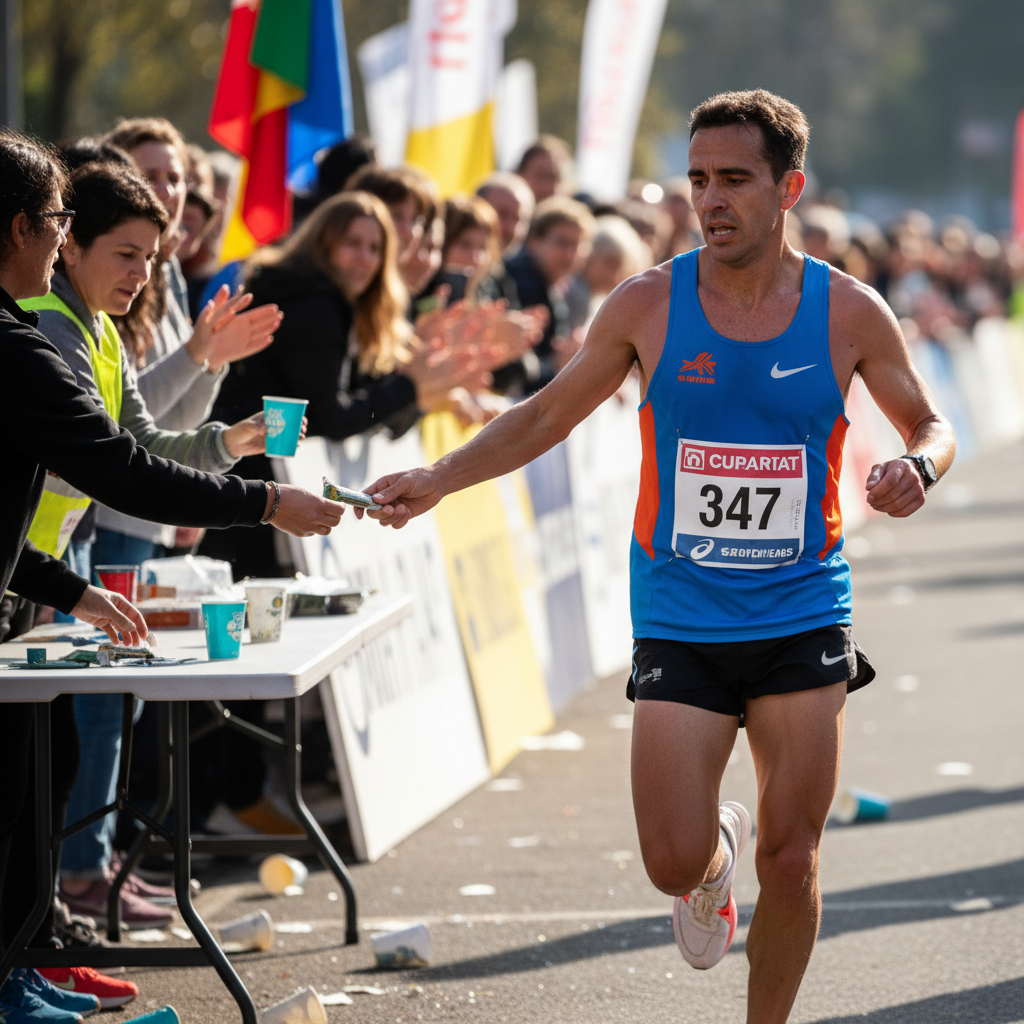
If you are eating closer to the session, the meal needs to get smaller and simpler. Around 60 to 90 minutes before heading out, many athletes do better with toast, a banana, a muesli bar, or a sports drink rather than a full breakfast. In the final 30 to 45 minutes, the safest option is usually a quick carbohydrate top-up such as half a banana, a gel, or a few lollies if that is what you tolerate.
This is where experience matters. The athlete who can eat a full bowl of oats 90 minutes before running is not more disciplined than the athlete who cannot. Gut tolerance is individual. Performance nutrition needs to be practical, not ideological.
How much should you eat?
The answer depends on the session. A 75-minute aerobic long run does not require the same preparation as a two-and-a-half-hour progression run or marathon-specific session.
For shorter long runs at easy effort, a moderate pre-run meal is often enough, especially if you had a solid dinner the night before. For longer or more demanding runs, you will usually need a clearer carbohydrate load before the session and often fuel during it as well.
As a general rule, the harder and longer the session, the less sense it makes to start underfuelled. Athletes chasing adaptation sometimes deliberately train low, but that should be used selectively and with purpose. Doing key long runs half-empty too often usually reduces quality, slows recovery, and compromises consistency across the training week.
Best foods before a long run
Most strong options have the same traits. They are easy to digest, mainly carbohydrate-based, low in excess fibre, and familiar.
Good examples include porridge with banana, toast with honey or jam, English muffins, crumpets, cereal with milk, white rice with a small amount of egg, fruit toast, pikelets, or a banana with a sports drink. Some athletes also do well with liquid calories before an early session, such as a smoothie that is simple and not overloaded with chia seeds, nut butter, or raw greens.
The best food is the one that gives you repeatable energy without gut stress. That is why race-weekend fuelling should never begin on race weekend. Your long runs are the ideal place to test what works.
What to avoid before a long run
Most pre-run nutrition mistakes are not dramatic. They are small decisions that create a poor training outcome.
Too much fibre is a common problem. Large serves of bran cereal, heaps of raw fruit, heavy grainy bread, and oversized salads can all increase the chance of stomach issues. Too much fat can also sit heavily, especially if the meal includes fried food, pastries, bacon, creamy sauces, or large amounts of nuts.
Protein is useful across the day, but before a long run it should stay in a supporting role. A massive omelette or a high-protein breakfast bowl may sound disciplined, but if carbohydrate intake is too low, you are not setting the session up properly.
Caffeine also sits in the "it depends" category. For some athletes, coffee before a run sharpens focus and improves perceived effort. For others, it creates urgency at exactly the wrong time. If you use caffeine, use it consistently in training first.
Early morning runs need a different approach
A lot of Australian endurance athletes start long runs early, especially through summer. That creates a practical challenge because there is less time to eat and digest before the session.
If your run starts at 5.30 or 6.00 am, trying to force a full breakfast can backfire. In that case, a lighter carbohydrate-based option before the run and a stronger fuelling focus during the run may be the better model. For example, a banana and sports drink before you start, then regular intake through the session, can be more effective than a heavy meal at 4.30 am.
The previous evening becomes more important here. If dinner was poor and breakfast is minimal, you are asking too much of the session. Good long-run fuelling often starts the day before.
Hydration is part of the answer
If you are thinking about what should I eat before a long run, do not separate food from fluid. Starting slightly dehydrated will make a well-planned breakfast less effective, particularly in warm conditions.
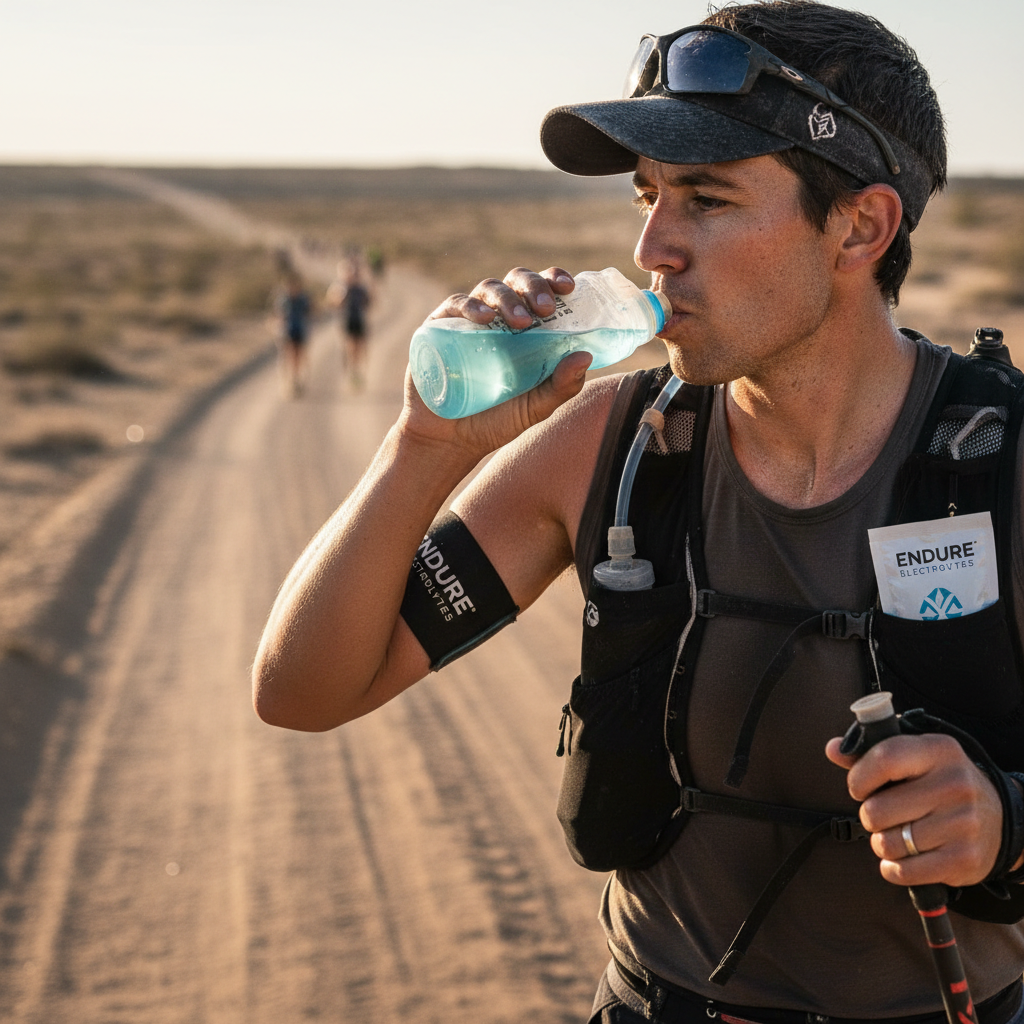
Aim to wake up and begin drinking early rather than trying to skull a large bottle just before running. Water is fine for many sessions, but if the run is long, hot, or includes quality work, an electrolyte drink may help. This is especially relevant in Australian conditions where heat and humidity can push fluid losses up quickly.
Clear urine is not the goal. Overdrinking is not smart preparation. You want to start normally hydrated, not waterlogged.
Long run fuelling should match the session goal
Not every long run is the same, so pre-run eating should reflect the purpose of the day.
If the run is steady and aerobic, you may tolerate a simpler breakfast and lighter intake beforehand. If the session includes marathon pace, hills, or a fast finish, treat it more like a race-specific workout. That usually means more deliberate carbohydrate intake before the start and a clear plan for fuel during the run.
This is where serious athletes separate routine from guesswork. Nutrition is part of session design. At Gene Convery Endurance Academy, that level of structure matters because the goal is not just to complete training. The goal is to complete the right training at the right quality, then recover well enough to absorb it.
Test, adjust, repeat
The strongest pre-run nutrition plan is one you can execute consistently. That means less interest in trendy foods and more interest in patterns that hold up over time.
Keep notes if needed. What did you eat, how long before the run, what was the pace, what was the weather, and how did your stomach respond? It does not need to be obsessive. It just needs to be useful. After a few weeks, most athletes can identify clear trends.
If you regularly fade late, feel flat early, or need too long to settle into the run, your pre-run fuelling may need work. If your gut feels heavy or unsettled, the issue may be food choice, portion size, or timing rather than the run itself.
A good long run starts well before the warm-up. Eat enough to support the work, keep the meal simple, and practise until your fuelling is as reliable as your pacing. That is how you turn nutrition from a guessing game into part of your performance standard.