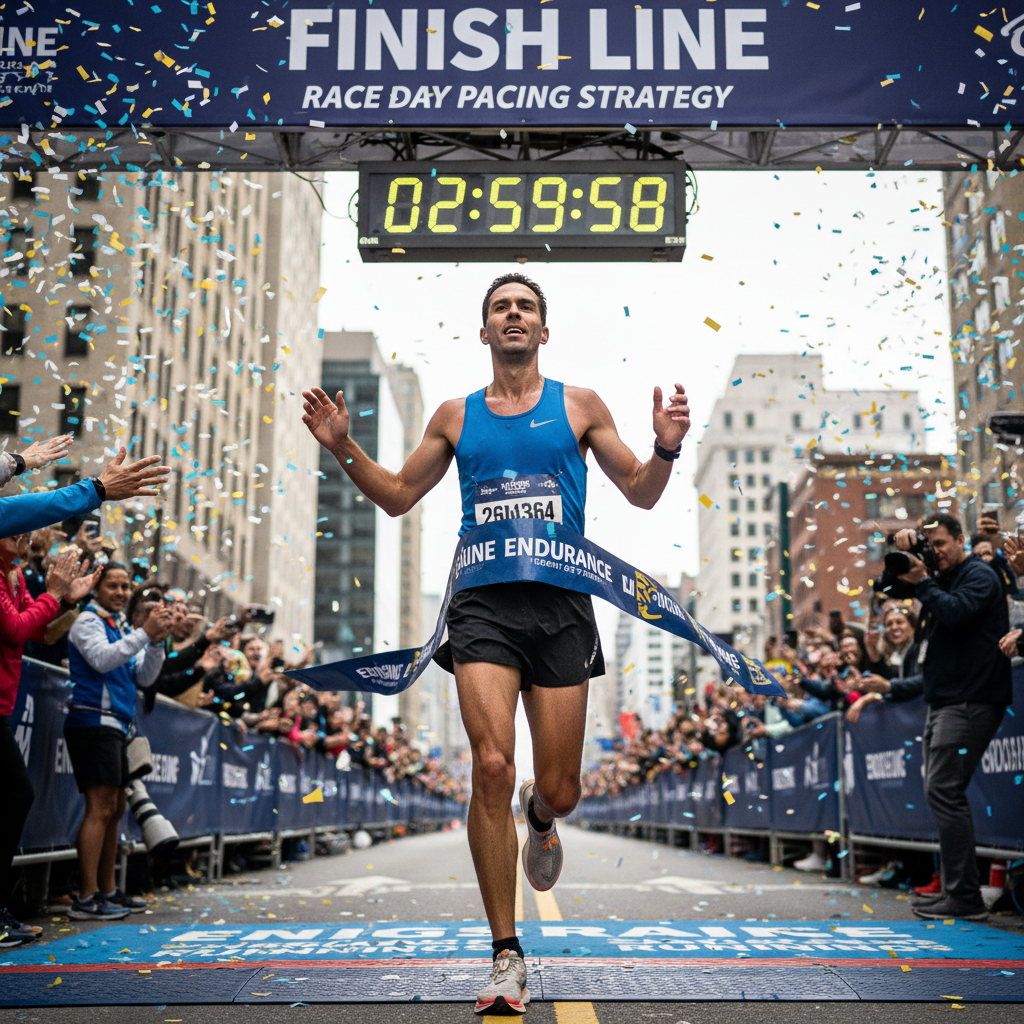











At 60km into the Surf Coast Century, your fitness matters. But your pacing and fuelling decisions matter more. I have seen capable runners arrive at Anglesea with plenty of training behind them, then burn too many matches on early climbs, miss their carbohydrate targets and spend the final third walking far more than planned.
This Surf Coast Century guide is about avoiding that outcome. The race demands a durable aerobic base, trail-specific leg strength, a conservative effort cap and a fuelling plan your gut has already practised. Get those four things right and 100km becomes a problem you can manage, rather than a day you simply survive.
What makes the Surf Coast Century difficult?
The Surf Coast Century is not a flat-road marathon stretched into an ultra. The terrain constantly changes your stride, loading your calves, quads and hips differently from the predictable rhythm of the Barwon River path or Geelong waterfront. Climbs may not be alpine, but repeated undulation adds up. Descents also create muscle damage that often shows up after halfway.
The other challenge is duration. A runner finishing in 10 hours needs to fuel and make decisions for 10 hours. A runner taking 14 or 15 hours needs to do it while tired, in changing weather and often after dark. That changes the training question from, “How fast can I run?” to, “How steadily can I move, eat and think for an entire day?”
Your race plan should therefore be built around an effort, not a target average pace. Pace will vary with gradient, surface, wind and fatigue. Heart rate, breathing and RPE are more useful controls. RPE means rate of perceived exertion: how hard the effort feels on a scale of one to 10.
Build the engine before chasing vert
For most runners, I want 16 to 24 weeks of focused preparation. If you are stepping up from a marathon or 50km, lean towards the longer end. The first job is to create enough aerobic capacity to absorb the work ahead.
Easy running should make up roughly 75 to 85 per cent of your weekly volume. Keep it genuinely easy: conversational breathing, usually RPE 2 to 4, and below your first ventilatory threshold. If you use heart rate, that is commonly around 70 to 80 per cent of maximum heart rate, although individual thresholds matter more than generic formulas.
A runner aiming to finish comfortably may peak around 55 to 75km per week. A more experienced runner chasing a competitive result might build towards 80 to 110km. Those are not compulsory numbers. Your sustainable mileage depends on your history, available days, injury record and how well you recover around work and family. Consistent 65km weeks beat one heroic 100km week followed by a niggle and three weeks off.
Build volume gradually, usually for two or three weeks before a lighter week. A cutback week is not lost training. It is where the body absorbs the training load and comes back stronger for the next block.
The long run is practice, not a test
Your longest run does not need to be 100km. For most athletes, 4.5 to 6.5 hours on trails is enough when supported by back-to-back running. For example, you might run 32 to 42km on Saturday, then 18 to 28km easy on tired legs Sunday. The second run teaches you to move efficiently with fatigue, without the recovery cost of one enormous day.
Do these sessions on terrain that resembles the race where possible. The You Yangs, Brisbane Ranges or Surf Coast trails can all help, depending on your location and the surface you need to practise. Include hiking on steeper climbs. Strong ultrarunners do not regard hiking as failure. They use it early enough to protect their legs and keep their energy expenditure under control.
Key sessions for the Surf Coast Century
You do not need a complicated week. You need sessions with a clear purpose, placed within a sensible periodisation plan. Periodisation simply means changing the training focus across the months rather than trying to do every hard session, every week.
One weekly quality session is usually enough alongside the long run. During the early build, this may be a threshold workout, such as three 10-minute blocks at controlled hard effort with easy jogging between. Threshold is the highest effort you can sustain for around an hour. It develops your ability to run strongly without accumulating fatigue too quickly.
Later, make the work more trail-specific. A useful session is six to 10 repeats of two to four minutes uphill at RPE 7, jogging or walking back down easily. Run tall, shorten your stride and avoid sprinting the first repetition. On another week, use rolling terrain for 60 to 90 minutes with sustained climbs at steady RPE 5 to 6. This is closer to the effort you will need on race day.
Include regular downhill exposure as well. Descend with quick, light steps and control rather than braking hard through the quads. The goal is confidence and resilience, not reckless speed. If a workout leaves your legs wrecked for several days, it was too costly for its benefit.
Pace the first half like it is too easy
The most common 100km pacing error is racing the runnable early kilometres. Fresh legs can make an effort feel deceptively cheap. Your heart rate may be low, but muscle damage, heat and fuel use are still accumulating.
Start at RPE 3 to 4. On flats and gentle climbs, you should be able to speak in short sentences. On longer climbs, let the pace go and cap the effort at a steady RPE 5 or 6. If your heart rate is climbing well above your usual aerobic range at the same easy effort, slow down, walk earlier, cool yourself and check whether you are drinking enough.
Set a simple rule before the race: no racing before 70km. You can reassess then. If you are still fuelling, your stomach is settled and your stride is intact, gradually lift effort on runnable sections. If not, stay patient. A steady second half is nearly always faster than an ambitious first half followed by damage control.
Fuel early enough to prevent the bonk
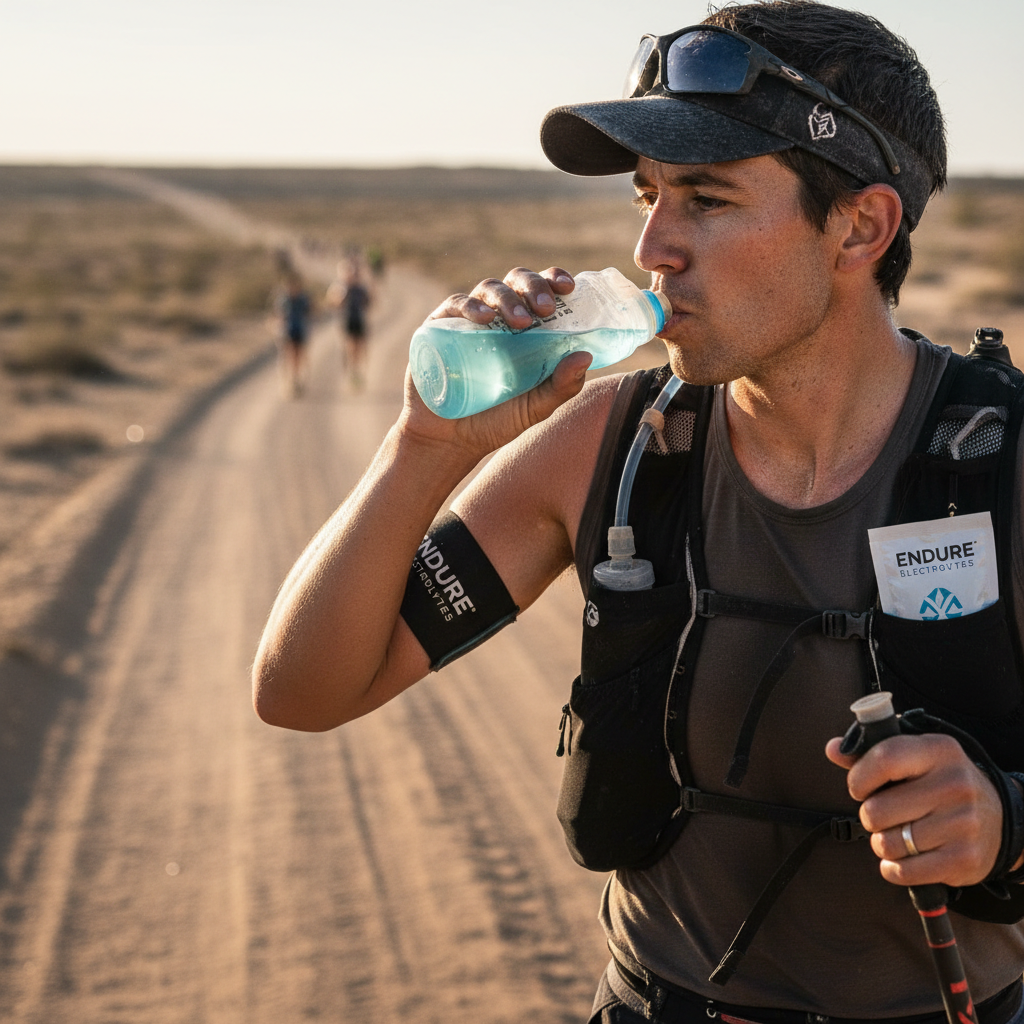
For a race of this length, I would usually target 60 to 90 grams of carbohydrate per hour. Larger, well-trained athletes may tolerate 90 grams or more, but only if they have trained their gut. Do not turn race day into an experiment because you read that another runner took 100 grams per hour.
Start within the first 20 to 30 minutes, then feed consistently every 15 to 20 minutes. That could be gels, drink mix, chews or real food early in the day. The format matters less than hitting the hourly target with products and flavours you can tolerate.
For many runners, a practical starting point is 70 grams per hour: for example, 40 grams from drink mix and 30 grams from a gel or other portable food. If that feels like a lot, begin lower in training and build by 10 to 15 grams per hour across several long runs. Gut training is a real part of ultra preparation. Your gut adapts when you practise eating while running at low to moderate intensity.
Fluid needs depend on temperature, sweat rate and body size. A broad starting range is 400 to 750mL per hour, adjusted for conditions. In warm weather or for salty sweaters, include sodium, commonly 400 to 800mg per hour. Again, use training to find your range. Drinking excessively can be as problematic as drinking too little, so avoid blindly forcing litres of water.
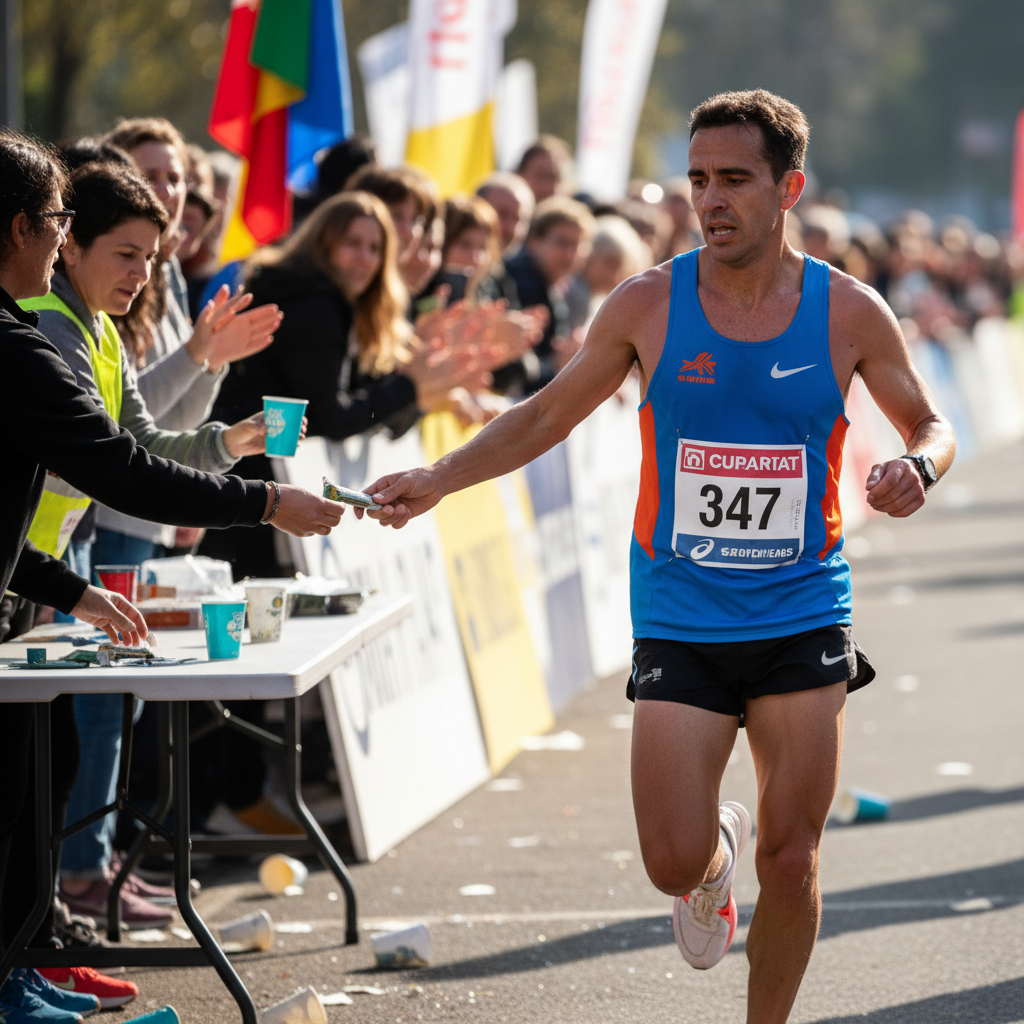
At aid stations, be efficient. Refill, collect what you need for the next section and leave. Sitting down or browsing food for 10 minutes feels harmless until it happens four times. Write your fuel plan by hour, not just by aid station, because spacing and time on course can change.
Taper with confidence, not panic
In the final two weeks, reduce volume while keeping a little running frequency and a few short efforts. A common approach is about 60 to 70 per cent of peak volume two weeks out, then 35 to 50 per cent in race week. Keep easy runs easy. You cannot gain ultra fitness in the taper, but you can arrive tired.
Prepare your kit early, including socks, shoes, layers, headlamp requirements and the foods you know work. Check the event briefing for current mandatory gear and course details. Then protect your sleep where you can. As a dad with two kids, I know perfect sleep is not always realistic. Aim for a good routine across the week rather than stressing about one imperfect night.
Before your next long trail run, use the free Fuel and Hydration Planner on geneconvery.com to calculate an hourly carbohydrate, fluid and sodium target, then practise it exactly as you plan to race.